
Food Packaging & Labelling Requirements for Australia & New Zealand: The Complete Compliance Guide
A comprehensive guide to food packaging and labelling requirements for Australian and New Zealand markets. Covers FSANZ standards, mandatory label elements, allergen declarations, nutrition panels, packaging materials, and export-readiness workflows for Indian food exporters.
Table of Contents (39 sections)↓
- At a Glance
- The Journey of a Packaged Food Product
- Why Packaging and Labelling Matter
- Protecting Food Throughout Its Journey
- Helping Consumers Make Informed Decisions
- Supporting Traceability
- Building Commercial Confidence
- Who Regulates Food Packaging and Labelling
- Packaging vs Labelling: Understanding the Difference
- Packaging Protects
- Labelling Informs
- Why the Difference Matters
- Building a Compliant Food Label
- Product Name
- Ingredient List
- Allergen Declarations
- Nutrition Information Panel
- Date Marking and Storage Instructions
- Supplier Information and Traceability
- The Export-Ready Packaging Workflow
- Pre-Print Readiness Checklist
- Common Packaging and Labelling Mistakes
- Frequently Asked Questions
- Can Australian and New Zealand packaging requirements be met with a single label design?
- What mandatory information must appear on food labels sold in Australia?
- How do allergen declaration requirements differ between Australia and India?
- What packaging materials are required for food products shipped internationally by sea?
- Who carries legal responsibility for food label compliance in Australia?
- When should exporters conduct a compliance review of packaging artwork?
- Do Australian retailers have additional packaging requirements beyond FSANZ standards?
- What is the most common labelling error that delays food imports at Australian ports?
- How does the Nutrition Information Panel format differ from Indian labelling standards?
- Is food-contact material certification required for packaging exported to Australia?
- What happens if a food product fails labelling compliance at the Australian border?
- How frequently should packaging artwork be reviewed for ongoing compliance?
- Sources & References
- Official Government & Regulatory Authorities
- Industry Standards & Packaging Compliance
- Consumer & Public Health Resources
The Complete Compliance Guide for Indian Food Exporters.

Figure 1.0: The complete food export journey from product formulation to retail shelf
At a Glance
| Objective | Details |
|---|---|
| Regulatory Framework | Managed by Food Standards Australia New Zealand (FSANZ). Enforcement is handled locally by DAFF, ABF, and MPI. |
| Mandatory Elements | Requires accurate product names, ingredient lists, allergen declarations, nutrition information, date marking, and supplier details. |
| Pre-Print Compliance | Artwork must undergo rigorous compliance checks before production to prevent costly post-manufacturing delays. |
| Packaging Selection | Materials must be food-safe, preserve shelf life, and withstand international sea freight and varying climate conditions. |
| Shared Standards | Australia and New Zealand share a unified food labelling code, simplifying initial compliance for dual-market entry. |
The Journey of a Packaged Food Product
For many businesses entering international markets for the first time, one of the biggest misconceptions about exporting packaged food is that compliance begins when a shipment reaches customs. In reality, compliance is woven throughout the entire product lifecycle. Every packaged food product follows a ten-stage journey:
Each stage depends entirely on decisions made during the previous step. If a recipe changes after the Nutrition Information Panel has been prepared, the nutritional values may no longer be accurate. By the time this issue is discovered at the border, correcting the problem becomes significantly more expensive. Experienced exporters focus heavily on artwork approval rather than customs clearance. They understand that the most effective way to avoid border problems is to prevent them long before the shipment is loaded into a container.
Why Packaging and Labelling Matter
Packaging and labelling serve a much broader purpose than simply satisfying legal requirements. They form the foundation of trust between manufacturers, importers, retailers, and consumers.
Protecting Food Throughout Its Journey
Every packaged food product travels through multiple environments before reaching the consumer. A product may spend weeks in a warehouse, travel thousands of kilometres by sea, and experience changing temperatures. The primary responsibility of the packaging is to protect the food without compromising its quality or safety. Food safety begins with packaging selection, not just manufacturing hygiene.
Helping Consumers Make Informed Decisions
Food labels exist to remove purchasing uncertainty. They help consumers answer critical questions about ingredients, allergens, nutritional value, and storage instructions. This information allows buyers to make informed decisions based on dietary preferences, medical requirements, or religious considerations.
Supporting Traceability
When food products need to be investigated or recalled, regulators and businesses rely on traceability tools. Batch numbers, supplier details, and date marking allow businesses to trace products efficiently throughout the supply chain. Accurate labelling protects manufacturers by making investigations faster and more precise.
Building Commercial Confidence
Supermarket buyers evaluating a new supplier will examine packaging carefully. If important information appears incomplete or unprofessional, confidence in the product decreases immediately. Well-designed, compliant packaging communicates professionalism long before the first sale is made.
Who Regulates Food Packaging and Labelling
Australia and New Zealand share a common regulatory framework known as the Australia New Zealand Food Standards Code. At the centre of this framework is Food Standards Australia New Zealand (FSANZ), which develops and maintains food standards covering composition, safety, packaging, and mandatory labelling information.
However, FSANZ does not enforce the law directly. Enforcement is carried out by authorities within each country. In Australia, responsibility is shared among state and territory food authorities, the Department of Agriculture, Fisheries and Forestry (DAFF), and the Australian Border Force (ABF). In New Zealand, standards are primarily administered by the Ministry for Primary Industries (MPI). This shared regulatory foundation simplifies expansion into both countries, although individual retailers may still impose specific commercial requirements.
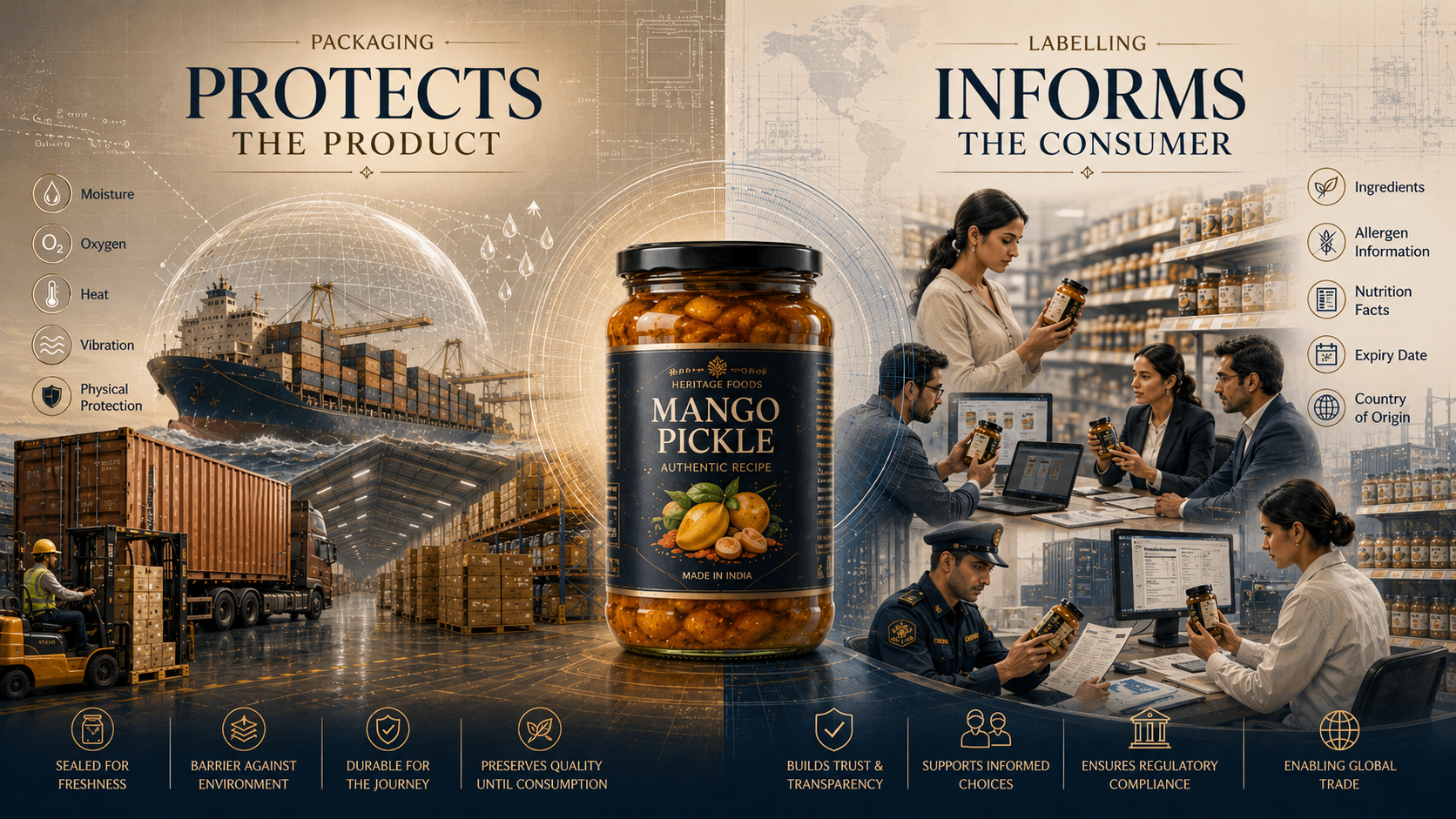
Figure 2.0: The division of responsibilities between standards development and enforcement
Packaging vs Labelling: Understanding the Difference
Although these two terms are often used together, they solve completely different problems within the export supply chain.
Packaging Protects
Packaging refers to the physical materials that contain, preserve, and transport the food. Its primary role is protection. Choosing suitable packaging involves engineering and food safety decisions, such as evaluating material compatibility and transport durability.
Labelling Informs
Labelling refers to the information communicated through the packaging. Its primary role is communication. Rather than protecting the product physically, labelling protects consumers by providing accurate, consistent, and meaningful data.
Why the Difference Matters
Export-ready products require both elements to work in harmony. Some businesses invest heavily in attractive packaging but forget mandatory information, while others produce compliant labels but use materials unsuitable for international transport.
| Product Type | Packaging Requirements | Labelling Priorities |
|---|---|---|
| Dry Spices | Moisture barrier, aroma protection | Allergen control, accurate net weight |
| Glass Jar Pickles | Leak-proof closures, impact resistance | Storage instructions, drained weight |
| Ready-to-Eat Meals | Heat-resistant, food-safe containers | Nutritional panels, clear heating instructions |
Building a Compliant Food Label
Every element on a food label serves a specific purpose for consumers, retailers, and regulators.
Product Name
The product name tells consumers exactly what the food is. It should never exaggerate or mislead. A creative marketing brand name cannot replace an accurate food description.
Ingredient List
The ingredient list explains exactly what the food contains, listed in descending order by weight. It creates necessary transparency and must be updated every time a recipe or formulation changes.
Allergen Declarations
Allergen declarations protect consumers from avoidable health risks and protect manufacturers from recalls. They must be clearly identified using consistent, regulated terminology.
Nutrition Information Panel
The Nutrition Information Panel (NIP) follows a strict format that allows consumers to compare products objectively. Serving sizes and calculations must accurately reflect the final manufactured product.
Date Marking and Storage Instructions
Date marking communicates product shelf life and supports inventory management. Storage instructions help consumers maintain product quality after purchase, particularly when refrigeration is required.
Supplier Information and Traceability
Every packaged food product must identify the responsible business. This information supports traceability, ensuring authorities and consumers know exactly who supplied the product.
The Export-Ready Packaging Workflow
Treating compliance as a structured workflow prevents expensive delays and product rejections at the border.
Pre-Print Readiness Checklist
| Category | Verification Item | Status |
|---|---|---|
| Formulation | Does the final recipe match the approved ingredient list? | Required |
| Materials | Are all food-contact materials certified and appropriate? | Required |
| Compliance | Have allergens and warning statements been independently reviewed? | Required |
| Commercial | Has the importer approved the final artwork against retail standards? | Required |
Common Packaging and Labelling Mistakes
Most compliance issues occur because exporters underestimate how many small decisions affect the finished product. Common errors include printing artwork before completing a formal compliance review, using outdated laboratory analyses for the NIP, and copying another brand's packaging format without assessing product-specific requirements.
Packaging that performs well in domestic distribution often fails during a six-week international sea shipment because humidity and vibration were never considered.