What Do the India-Australia Trade Agreements Actually Mean for Food Importers?
An executive breakdown of AI-ECTA and the India-New Zealand trade framework, separating commercial sourcing opportunities from regulatory compliance obligations.
Table of Contents (16 sections)↓
- At a Glance
- Why Should Food Importers Care About These Trade Agreements?
- What Do These Trade Agreements Actually Change for Importers?
- Understanding the Trade Agreements and Their Commercial Impact
- Australia-India Economic Cooperation and Trade Agreement (AI-ECTA)
- India-New Zealand Trade Bilateral Status
- What Are Rules of Origin (ROO)?
- Commercial Evaluation Factors for Importers
- What Trade Agreements Do Not Change for Food Importers
- Essential Compliance Elements That Remain Mandatory
- Frequently Asked Questions
- Does AI-ECTA apply automatically to all Indian food exports?
- Are biosecurity inspections waived under trade agreements?
- Does a 0% tariff mean there are no import taxes?
- Sources & References
- Official Government & Trade Portals
You are reviewing quotations from multiple Indian food suppliers when one mentions the Australia-India Economic Cooperation and Trade Agreement (AI-ECTA). Another supplier tells you that India and New Zealand are working towards a trade agreement that could reshape sourcing opportunities in the future. Both conversations sound promising, but they also raise an important question: what do these trade agreements actually mean for your business as a food importer?
For many food importers, trade agreements feel like something negotiated between governments rather than something that influences day-to-day commercial decisions. In reality, they can affect pricing, supplier competitiveness, long-term sourcing strategies, and the confidence with which businesses invest in new supply relationships. However, they do not remove the regulatory responsibilities that come with importing food into Australia or New Zealand.
This guide explains what these agreements mean from the perspective of a food importer, separating genuine commercial opportunities from common misconceptions.
At a Glance
| Objective | Details |
|---|---|
| Commercial Impact | AI-ECTA and ongoing India-NZ trade discussions create a favorable commercial environment by reducing tariffs and improving market access. |
| Regulatory Standing | Preferential trade agreements do not replace food safety laws, biosecurity controls, customs declarations, or packaging rules. |
| Rules of Origin | To claim preferential duty rates under AI-ECTA, goods must strictly satisfy Rules of Origin (ROO) backed by official Certificates of Origin. |
| Supplier Capability | Trade agreements encourage Indian manufacturers to invest in international certifications, GFSI food safety standards, and export readiness. |
Why Should Food Importers Care About These Trade Agreements?
Most food importers are focused on practical business outcomes rather than government policy. They want reliable suppliers, competitive pricing, consistent product quality, and predictable supply chains.

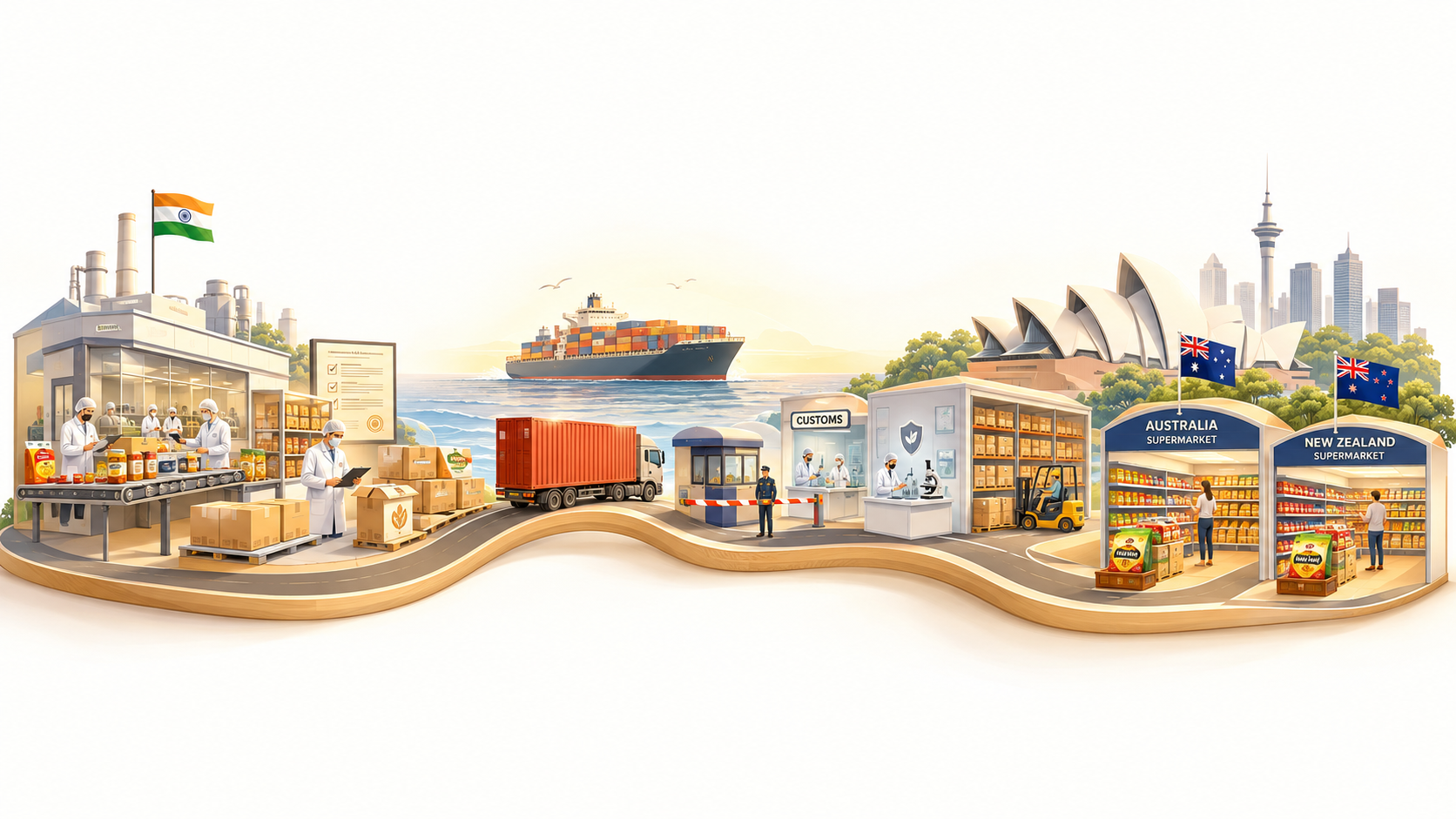
Figure 1.0: India as an expanding global food sourcing hub for international buyers.
Trade agreements exist to make international commerce more efficient. They reduce barriers that discourage businesses from trading across borders and create greater certainty for companies investing in long-term relationships.
For importers, this matters because a more open trading relationship often results in a healthier supplier ecosystem. Indian manufacturers become more confident about investing in export capabilities, certifications, product development, and production capacity when they know important export markets are becoming more accessible.
What Do These Trade Agreements Actually Change for Importers?
One of the biggest misconceptions is that a trade agreement instantly makes every imported product cheaper. The reality is more nuanced.

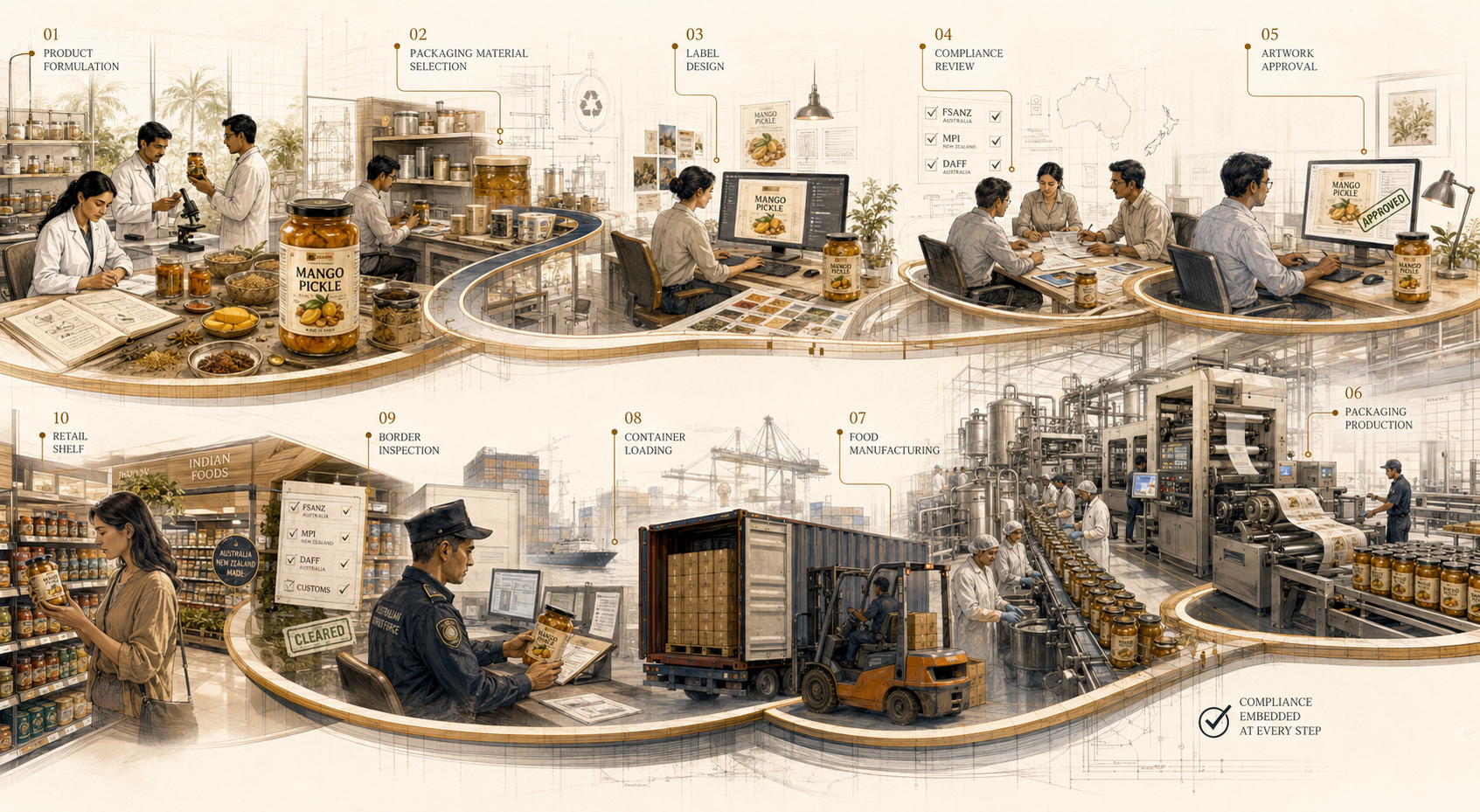
Figure 2.0: Inside an export-ready food manufacturing facility in India.
Trade agreements establish a framework that can improve the economics of trade, but the impact depends on factors such as product classification, origin requirements, supplier capability, logistics, and compliance.
For food importers, the biggest commercial changes are often indirect:
Understanding the Trade Agreements and Their Commercial Impact
While headlines often focus on tariff reductions, the commercial impact of a trade agreement extends much further. It shapes how businesses source products, evaluate suppliers, and plan long-term procurement strategies.
Australia-India Economic Cooperation and Trade Agreement (AI-ECTA)
The Australia-India Economic Cooperation and Trade Agreement (AI-ECTA) is a bilateral trade agreement designed to strengthen economic ties between Australia and India. It aims to improve market access, encourage investment, reduce trade barriers, and make cross-border business more predictable.
India-New Zealand Trade Bilateral Status
Unlike Australia, New Zealand and India are currently working towards a comprehensive trade agreement. Although negotiations have progressed over the years, businesses should understand that opportunities discussed today depend on the outcome of future negotiations.
What Are Rules of Origin (ROO)?
Rules of Origin determine whether a product genuinely qualifies for benefits under a trade agreement. Simply shipping a product from India does not automatically make it eligible. Authorities need evidence that the product meets the origin requirements defined by the agreement (such as specific value-add thresholds or transformation criteria).
Commercial Evaluation Factors for Importers
| Evaluation Area | Key Sourcing Considerations |
|---|---|
| Product Quality & Formulation | Consistency with destination market standards and customer expectations |
| Manufacturing Capabilities | Facility capacity, GFSI/BRCGS certifications, and QA protocols |
| Export Experience | Familiarity with shipping documentation and customs clearance |
| Rules of Origin Compliance | Ability to issue verified Certificates of Origin for tariff preferences |
| Commercial Terms | Competitive unit pricing, MOQs, lead times, and Incoterms (FOB/CIF) |
What Trade Agreements Do Not Change for Food Importers
Trade agreements can improve the commercial environment for sourcing food from India, but they do not replace the legal and regulatory framework that governs food imports into Australia and New Zealand.

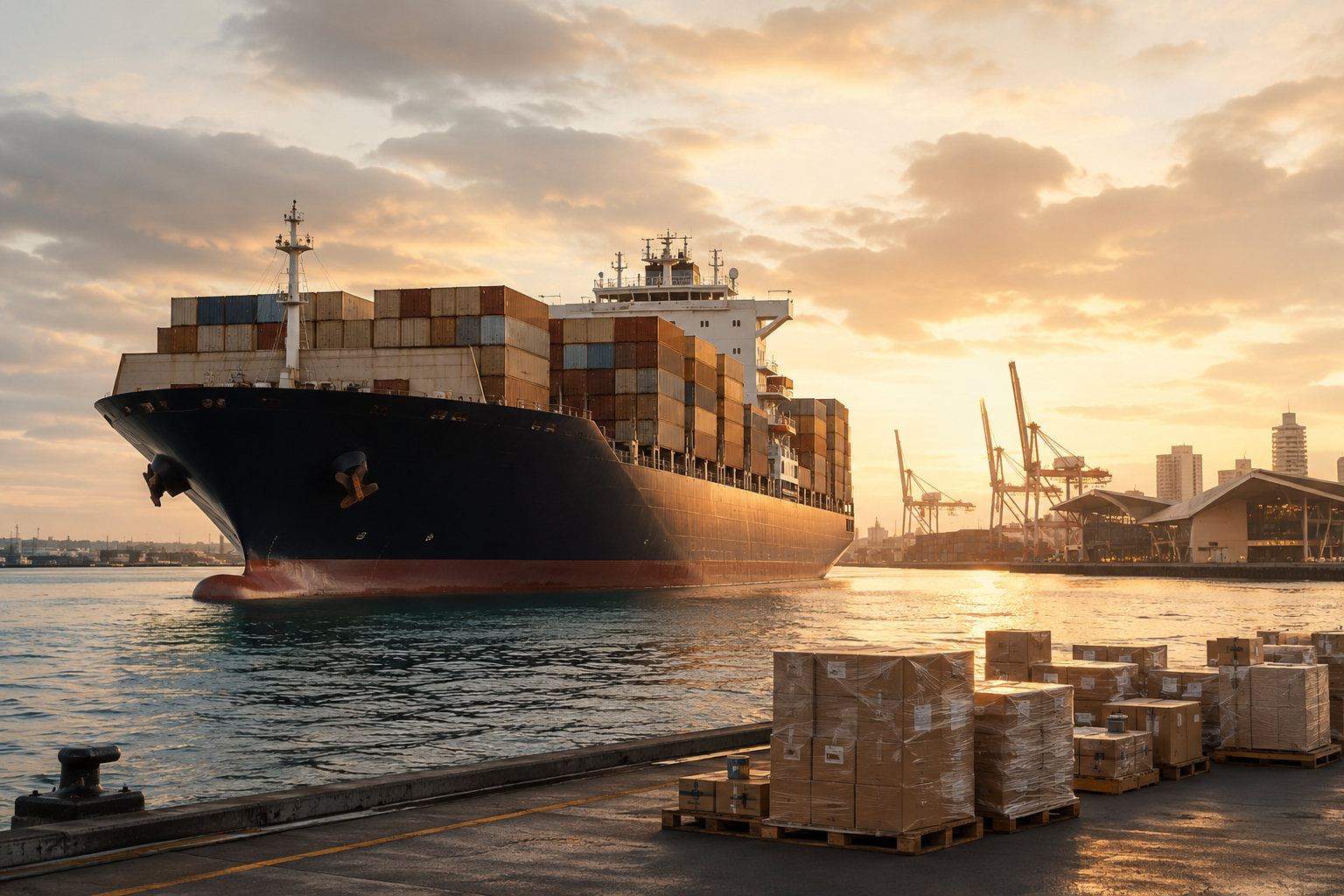
Figure 4.0: Verifying pre-shipment compliance and documentation accuracy before container dispatch.
Essential Compliance Elements That Remain Mandatory
Even when importing products that benefit from a trade agreement, businesses must continue to ensure full compliance across:
- Food Safety Requirements: Compliance with the Australia New Zealand Food Standards Code (FSANZ).
- Biosecurity Controls: DAFF BICON permit compliance in Australia and MPI Import Health Standards in New Zealand.
- Customs Declarations: Accurate tariff classification, valuation, and import declarations via ABF / NZ Customs.
- Packaging & Labelling: Mandatory allergen warnings, nutrition information panels (NIP), and importer contact details.
- Documentation Verification: Commercial invoices, packing lists, health certificates, and bills of lading.