Why the Strait of Hormuz Is Critical to Global Trade
The Strait of Hormuz is one of the most strategically important maritime chokepoints in the world. This narrow waterway connects the Persian Gulf with the open ocean and serves as the primary export route for oil, petrochemicals, and a large share of container cargo from Gulf economies.
At its narrowest point, the strait is only about 33 kilometers wide. Yet it carries roughly one-fifth of the world's oil supply and substantial volumes of liquefied natural gas every day.
The countries that depend on the strait for their exports include:
- Saudi Arabia
- United Arab Emirates
- Kuwait
- Iraq
- Qatar
Beyond energy, the region also ships petrochemicals, plastics, fertilizers, aluminum, processed foods, and consumer goods through this corridor.
Any disruption, whether from geopolitical escalation, military confrontation, or security concerns, sends immediate shockwaves through shipping markets, commodity exchanges, and supply chains worldwide.
Immediate Effects on Shipping and Freight
When security risks increase around the strait, shipping companies typically respond with several operational changes that affect costs and timelines.
War-Risk Insurance Premiums
Insurers classify conflict zones as high-risk areas, triggering additional insurance premiums for vessels entering the region. These war-risk premiums can add hundreds of thousands of dollars per voyage, increasing freight costs for exporters and importers.
Vessel Diversions and Suspensions
Shipping lines may suspend bookings to Gulf ports, delay vessel departures, or reduce frequency on certain routes. Some carriers temporarily halt operations until the security environment stabilizes.
Freight Rate Volatility
When shipping capacity becomes uncertain, freight markets react quickly. Possible outcomes include higher container freight rates, increased fuel costs due to rerouting, and port congestion at alternative hubs. These changes ripple through supply chains and affect delivery timelines across industries.
Alternative Shipping Routes if Hormuz Is Disrupted
Unlike many other maritime chokepoints, the Strait of Hormuz is difficult to bypass entirely. However, several partial alternatives exist.
Pipeline Diversions
Some Gulf states maintain pipelines that bypass the strait:
- The East-West pipeline in Saudi Arabia transports crude oil to ports on the Red Sea.
- The UAE operates the Habshan-Fujairah pipeline, allowing oil exports directly to the Gulf of Oman.
These systems provide limited relief but cannot fully replace the capacity of the strait.
Red Sea and Mediterranean Routes
Oil shipped through the Red Sea can reach Europe via the Suez Canal. However, pipeline capacity and terminal infrastructure constrain how much cargo can be redirected this way.
Longer Maritime Diversions
If major shipping disruptions occur, some cargo may be rerouted around the Cape of Good Hope. While technically viable, this route significantly increases transit time.
Typical impacts include:
- 10 to 15 additional sailing days
- Higher fuel consumption
- Increased shipping costs
For time-sensitive cargo, such delays can create major operational challenges.
How a Disruption Affects Exporters and Importers
The closure or disruption of the strait would affect global trade in several interconnected ways.
Rising Energy Prices
Because a large portion of global oil flows through the corridor, even partial disruptions tend to trigger oil price volatility. Higher energy prices increase costs across manufacturing, logistics, agriculture, and consumer goods production.
Supply Chain Delays
Longer shipping routes and reduced vessel availability can lead to extended delivery schedules, port congestion, and inventory shortages. Companies relying on just-in-time supply chains are particularly vulnerable to such disruptions.
Increased Freight Costs
Exporters and importers may face multiple cost pressures simultaneously:
- War-risk insurance surcharges
- Higher bunker fuel prices
- Freight rate spikes
- Rerouting expenses
For many companies, shipping budgets can increase significantly during geopolitical disruptions.
Strategic Response: Diversifying Supply Chains
Periods of geopolitical uncertainty often accelerate one long-term trend in global trade: supplier diversification.
Companies seek to reduce dependence on a single region by building relationships with manufacturers in multiple markets. This approach provides resilience when regional logistics become unstable.
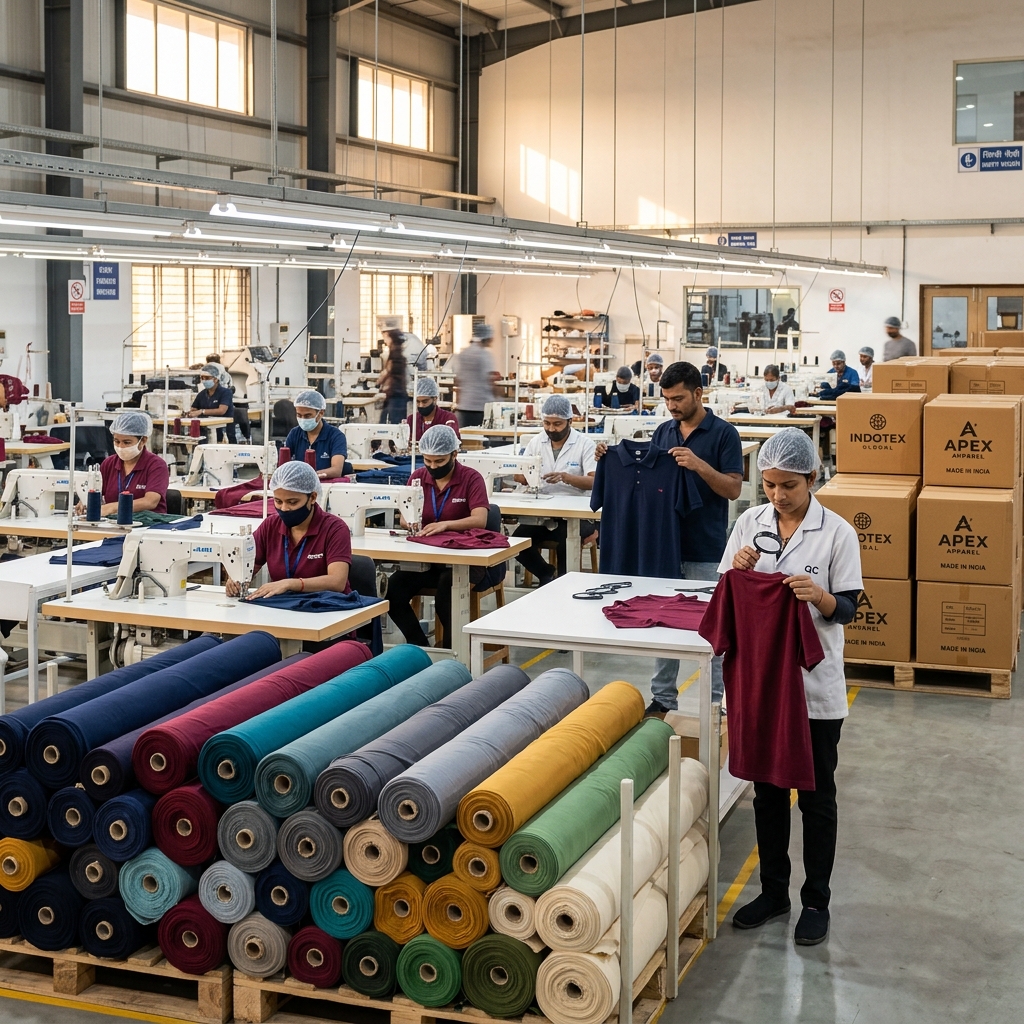
In recent years, India has increasingly emerged as a reliable sourcing hub across sectors such as:
- FMCG products
- Agricultural inputs
- Industrial materials
- Private-label manufacturing
For international buyers, diversifying sourcing into Indian supply chains can help maintain business continuity during disruptions in the Gulf or other critical corridors.
Taraka International supports this process by helping global importers connect with vetted Indian manufacturers and agricultural producers, enabling businesses to expand their supplier networks while maintaining consistent product quality and export compliance.
Practical Steps for Exporters and Importers
Businesses operating in global trade should consider several contingency measures when major shipping chokepoints face disruption.
1. Monitor Freight Market Signals
Early indicators often include war-risk insurance alerts, freight rate spikes, and vessel rerouting announcements. These signals can provide advance warning of supply chain disruption.
2. Diversify Supplier Locations
Relying on a single sourcing region increases vulnerability during geopolitical crises. Expanding supplier networks across multiple countries improves resilience.
3. Adjust Inventory Planning
Companies may temporarily increase safety stock levels to buffer against shipping delays. Proactive inventory management reduces the risk of stockouts during extended disruptions.
4. Maintain Flexible Logistics Planning
Working with logistics partners that can rapidly adjust routes or port choices becomes critical during disruptions. Having pre-established relationships with freight forwarders across multiple corridors allows faster response times.
Key Takeaways
The Strait of Hormuz remains one of the most important maritime chokepoints in the global trading system. Any disruption in this corridor has immediate consequences for shipping markets, energy prices, and international supply chains.
While the global logistics network can adapt through rerouting, pipeline alternatives, and operational adjustments, these solutions often come with higher costs and longer delivery times.
For exporters and importers, the most effective response lies in strategic preparation, including supplier diversification, flexible logistics planning, and continuous monitoring of geopolitical developments.
Businesses that build resilient, multi-origin supply chains will be better positioned to navigate disruptions and maintain stable international operations.
Taraka International helps global importers diversify their sourcing through verified Indian manufacturers across FMCG, agriculture, and industrial products. Contact our team to discuss your supply chain resilience strategy.