How Port Congestion and Route Diversions Change Freight Costs
Ocean freight pricing depends heavily on predictability. When global shipping routes become unstable, cost structures begin to shift.
But the deeper impact is not cost alone. It is schedule reliability.
Route Diversions Increase Voyage Complexity
Vessels avoiding high-risk zones must take longer alternate paths.
This increases fuel consumption, insurance premiums, and vessel utilisation time. Freight rates eventually adjust upward to reflect these pressures.
Transit variability becomes the bigger concern. A shipment that previously took 14 days may now require 21 or more, with less certainty on arrival windows.
Port Infrastructure Reacts Slowly to Sudden Volume Changes
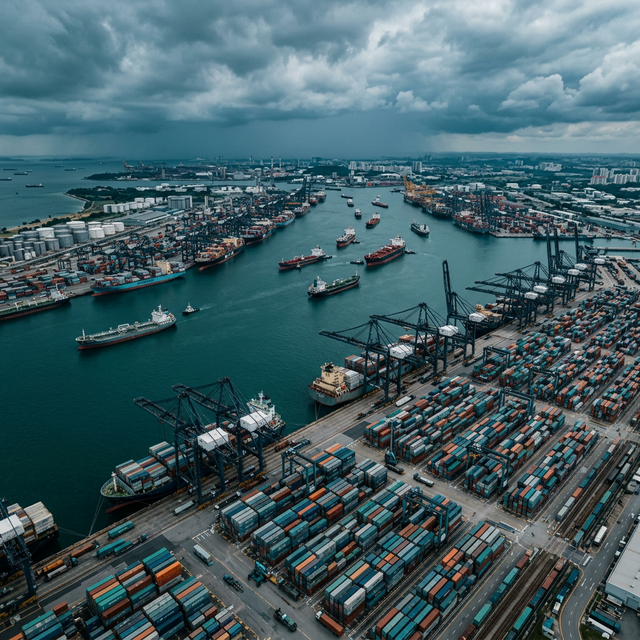
Rerouted cargo creates unexpected container surges at certain ports.
This leads to several cascading effects:
- Yard congestion and limited stacking capacity
- Delayed unloading and vessel queueing
- Customs inspection backlogs
- Reduced vessel turnaround efficiency
The delay spreads across multiple trade lanes, affecting shipments that were not originally on disrupted routes.
Commodity Trade Faces Sharper Exposure
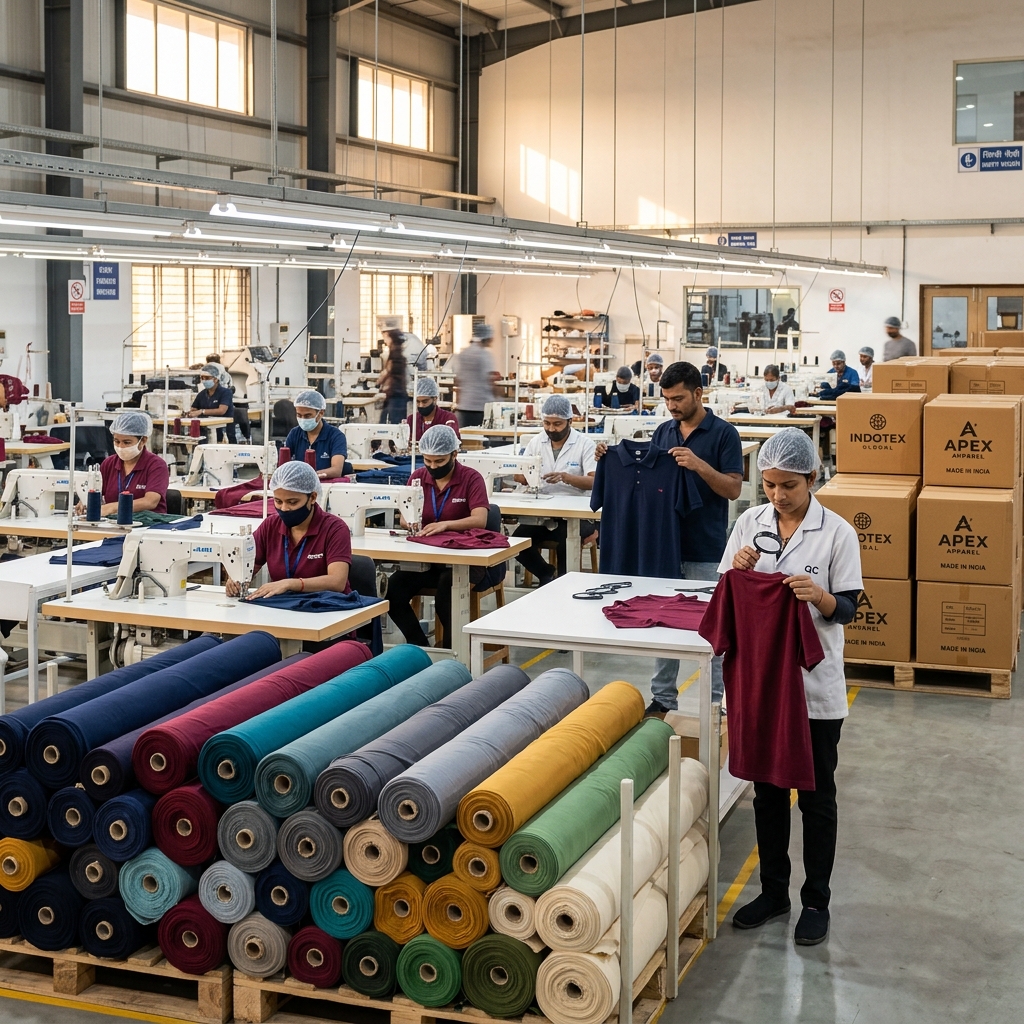
Food products, textiles, agro goods, and industrial supplies operate on tight margin structures.
Freight volatility can reduce exporter competitiveness and force contract renegotiations. For distributors sourcing from India, landed cost forecasting becomes harder.
Small delays can distort seasonal demand cycles. A two-week shipment delay on seasonal produce or textile orders can mean missed retail windows and lost revenue.
Visibility Becomes More Valuable Than Speed
In disrupted environments, buyers need real-time shipment clarity over promises of fast delivery.
Key priorities shift toward:
- Knowing exact cargo position and estimated arrival
- Understanding delay probability at each transit point
- Evaluating alternate routing feasibility before disruptions escalate
- Activating inventory buffers with informed timing
Trade Execution Shifts From Operational Support to Strategic Necessity
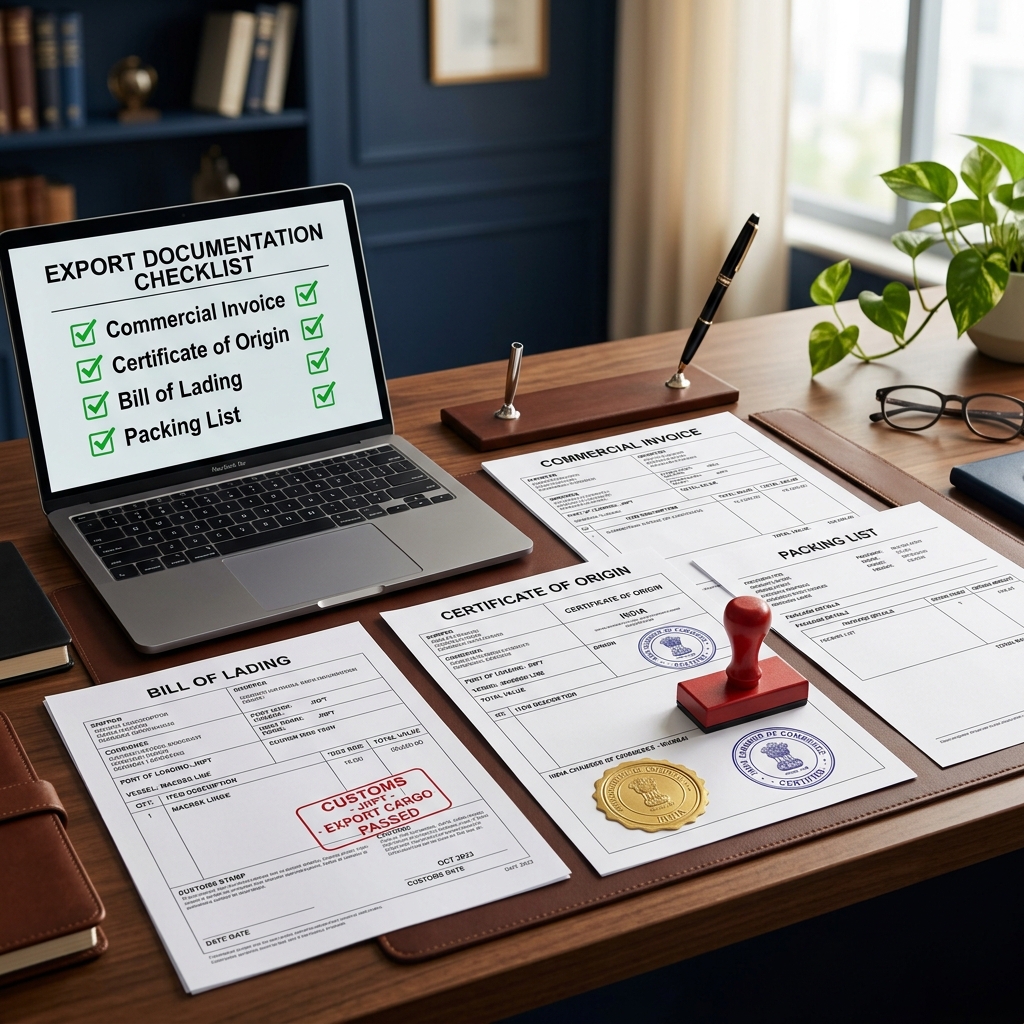
Companies that invest in stronger coordination between sourcing teams, logistics partners, and documentation processes absorb disruptions more effectively.
This means treating shipment management not as a back-office function, but as a core part of trade strategy.
Businesses that maintain visibility across their supply chain, plan for route variability, and keep documentation workflows tight are better equipped to protect margins and maintain buyer confidence.
Taraka International supports global importers with end-to-end sourcing coordination from India, including shipment tracking, documentation management, and logistics planning. Reach out to explore how we can support your supply chain.