How Marine Insurance Keeps Global Shipping Running
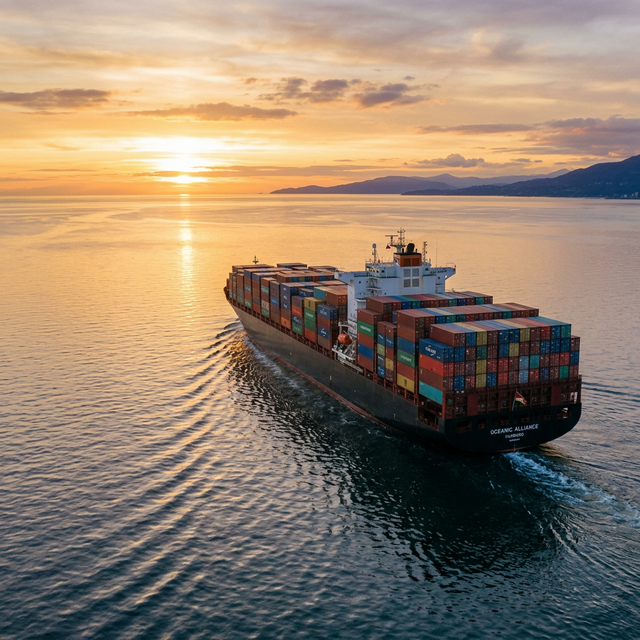
Global trade depends heavily on shipping. Every day, thousands of ships move oil, gas, food, and manufactured goods across oceans. But ships do not move simply because they carry cargo. They move because a complex network of trust, finance, and insurance supports them.
At the center of this system lies marine insurance. Without it, global trade would almost instantly stop.
The Chain of Trust in Shipping
Shipping works through a chain of promises:
- The ship owner promises the charterer that cargo will reach safely.
- The charterer assures the cargo owner that the goods are protected.
- The cargo owner assures the bank financing the trade that the shipment is insured.
Insurance makes these promises credible.
If insurance disappears:
- Banks refuse to issue Letters of Credit.
- Ports may reject ships.
- Crews may refuse to sail.
In simple terms, insurance is what allows global trade to function.
The Layers of Marine Insurance
Marine insurance is not a single policy. It is a stack of protections, each covering a different type of risk.
Hull and Machinery Insurance
This covers the ship itself, including its structure, machinery, and equipment. If a vessel suffers physical damage during a voyage, hull and machinery insurance compensates the owner for repair or replacement costs.
Cargo Insurance
This protects the goods being transported on the vessel. Whether the cargo is raw materials, consumer goods, or industrial products, cargo insurance ensures the owner is covered against loss or damage during transit.
Protection and Indemnity (P&I)
This covers liability risks such as:
- Pollution damage
- Crew injuries
- Damage to other vessels or property
P&I insurance is managed by mutual clubs of ship owners, covering nearly 90% of global shipping tonnage. These clubs pool resources so that members share the cost of large claims collectively.
War Risk Insurance
On top of these layers sits war risk insurance, which protects ships against:
- Missile attacks
- Naval mines
- Military conflict damage
However, war risk policies contain rapid cancellation clauses. Insurers can withdraw coverage within 7 days, and sometimes within 72 hours during major geopolitical crises.
This flexibility protects insurers from massive simultaneous claims. But it also means that shipping can be disrupted very quickly when conflicts escalate.
Why Marine Insurance Matters for Exporters and Importers
For businesses involved in international trade, understanding marine insurance is essential. Insurance costs directly affect freight rates, delivery timelines, and the overall cost of doing business across borders.
Key considerations include:
- Freight cost fluctuations. When insurance premiums rise due to conflict or natural disasters, freight rates follow.
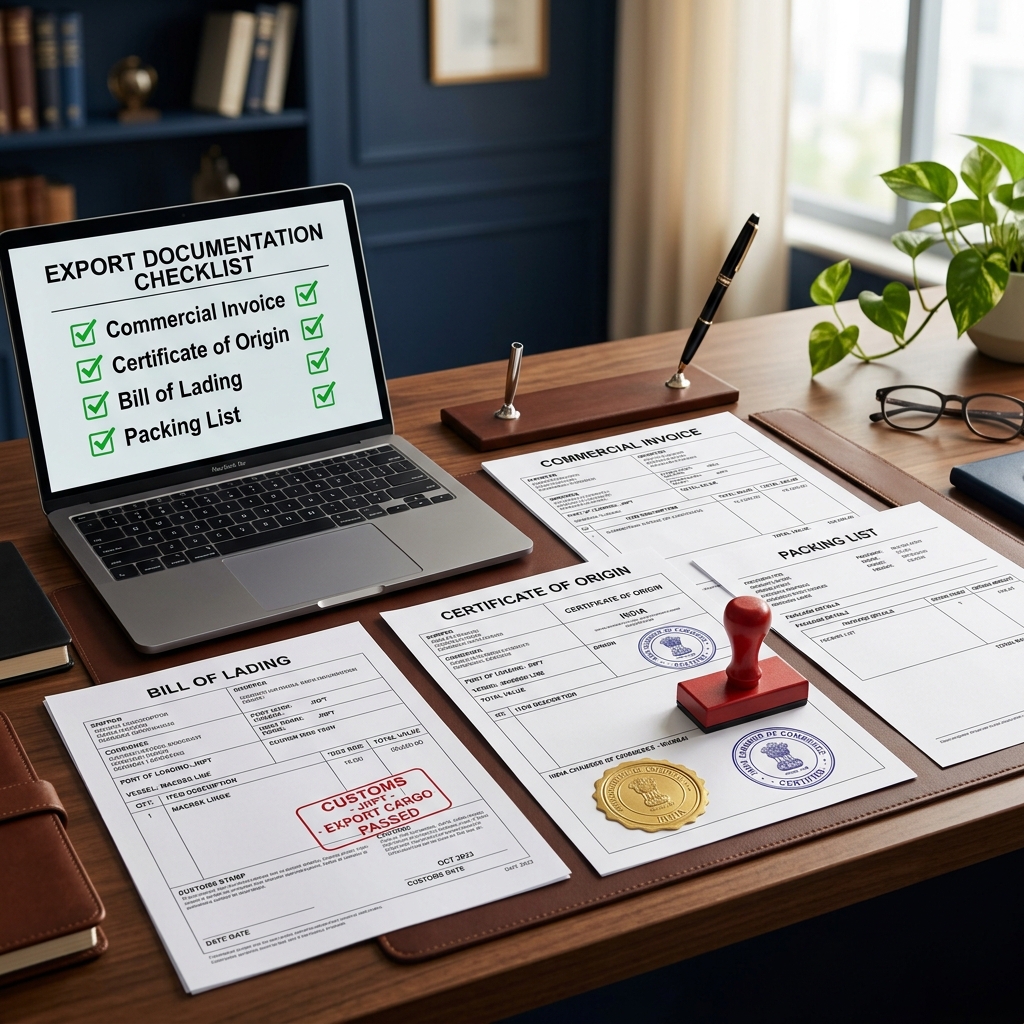
- Trade finance requirements. Banks and financial institutions require proof of insurance before issuing Letters of Credit or trade financing.
- Contract compliance. International trade contracts, governed by Incoterms, specify which party is responsible for insurance at each stage of the shipment.
Conclusion
Marine insurance is far more than paperwork. It is the invisible system that keeps global trade operational. When insurance disappears, shipping halts, finance collapses, and supply chains begin to break.
For exporters, importers, and sourcing professionals, staying informed about marine insurance trends is a practical necessity for managing costs and maintaining reliable supply chains.
Taraka International helps global importers build resilient supply chains through verified Indian manufacturers across FMCG, agriculture, and industrial products. Contact our team to discuss your sourcing strategy.