Top Mistakes Global Buyers Make While Importing from India
India is one of the most promising sourcing markets in the world. But importing from any country involves risk, and India is no exception. The difference between a successful import operation and a costly failure often comes down to preparation.
After working with importers across the UAE, USA, UK, Germany, and beyond, we have seen the same mistakes repeated by buyers who are new to sourcing from India. This article documents the most common errors, explains why they happen, and shows you how to avoid each one.
Mistake 1: Choosing a Supplier Based Only on Lowest Price
This is the single most dangerous mistake in international sourcing. When you select a supplier purely because they quoted the lowest price, you are almost certainly trading cost for quality, reliability, or both.
Why it happens: Procurement teams are under pressure to reduce landed costs. Online B2B platforms make it easy to collect dozens of quotes in minutes, and the lowest number stands out.
The reality: The cheapest quote often means:
- Inferior raw materials substituted without disclosure
- Corners cut on packaging or labelling
- Unreliable delivery timelines
- No investment in quality control infrastructure
How to avoid it: Compare quotes on a total-cost basis. Factor in quality rejection rates, re-order risk, compliance certification costs, and the value of reliable delivery. Request a detailed cost breakdown from each supplier and question any quote that is significantly below the market range.
Mistake 2: Ignoring Minimum Order Quantity (MOQ) Realities
Many Indian manufacturers have minimum order quantity requirements that are non-negotiable. These MOQs are driven by raw material procurement economics, production line efficiency, and export shipping logistics.
The mistake: Buyers assume MOQs are negotiable or try to force small trial orders that are below the supplier's economic threshold.
The result: Either the supplier agrees reluctantly and delivers substandard work (because margins are too thin to care), or they reject the order silently by deprioritizing it.
How to avoid it: Ask about MOQs early in the conversation. If the MOQ is too high for your initial order, consider working with a sourcing partner who can aggregate volumes or connect you with manufacturers that serve smaller order sizes.
Mistake 3: Misunderstanding Indian Production Timelines
Indian production timelines operate differently from Chinese factory schedules. Expecting the same turnaround time that you get from a Chinese supplier will lead to frustration.
Common issues:
- Festival seasons (Diwali, Holi, regional holidays) can slow production
- Power supply interruptions in certain regions
- Raw material availability fluctuations, especially in agricultural sectors
- Smaller factories may not run multiple shifts
How to avoid it: Build buffer time into your production schedule. Ask your supplier for a realistic timeline that accounts for holidays and potential delays. Plan orders 4 to 6 weeks earlier than you would with an established Chinese supplier.
Mistake 4: Not Planning Buffer Inventory
International supply chains have variables you cannot control: port congestion, customs inspections, weather delays, carrier rescheduling. If your inventory planning assumes zero delays, you will run out of stock.
How to avoid it: Maintain at least 2 to 4 weeks of buffer inventory for critical products. Place re-orders before your safety stock is depleted, not after.
Mistake 5: Compliance Gaps in Certifications
Different markets have different regulatory requirements. A supplier who is perfectly compliant for domestic Indian sales may not have the certifications required for your market.
Examples:
- Food products: Your market may require FDA registration (US), EU Novel Food approval, or specific lab testing that Indian domestic certifications do not cover
- Textiles: OEKO-TEX, GOTS, or REACH compliance may be required depending on your destination market
- Cosmetics/supplements: GMP certifications meeting your country's specific standards
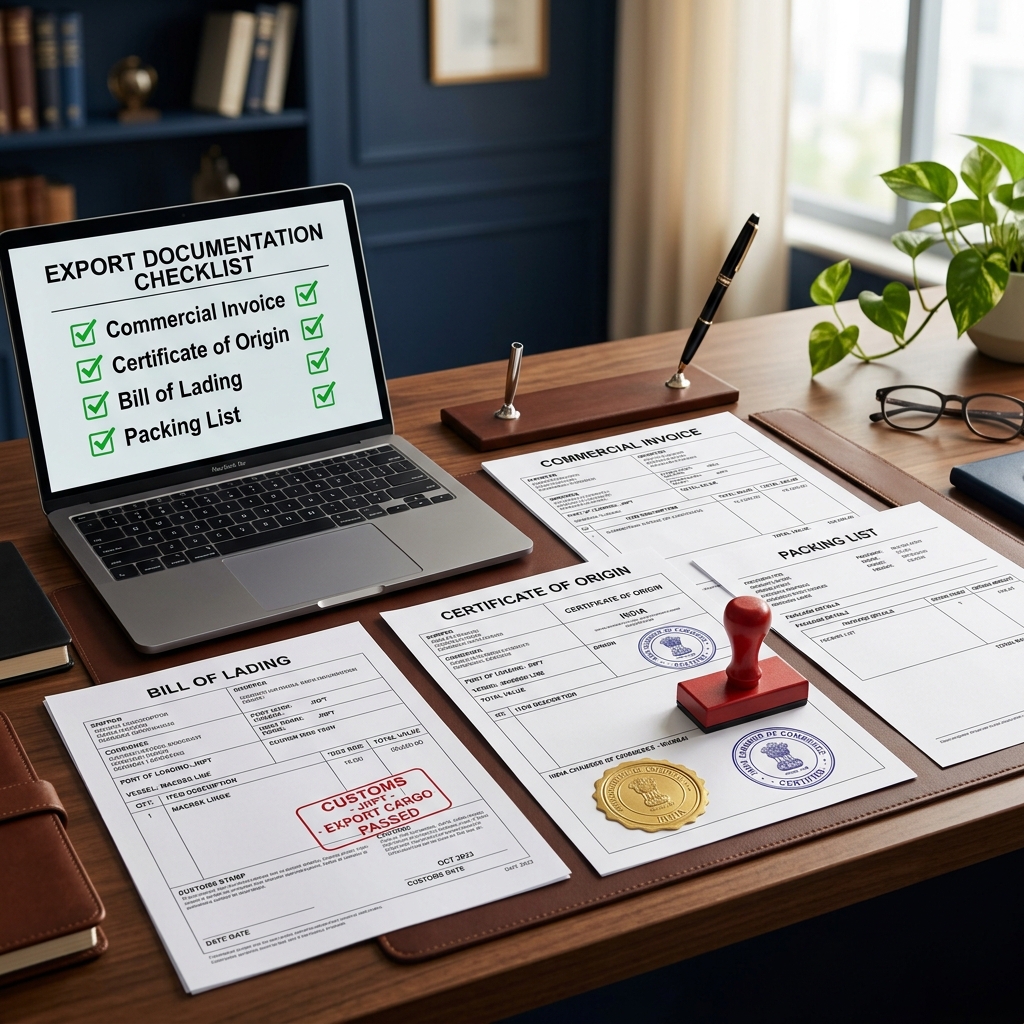
How to avoid it: Specify your certification requirements in your very first communication with the supplier. Verify certificates independently. Do not assume that a factory claiming ISO certification actually holds a current, valid certificate.
Mistake 6: Unclear Packaging Specifications
Packaging disputes are among the most common import problems. What looks acceptable in a factory showroom may not survive 25 days of ocean transit or meet your retail partner's shelf requirements.
Common problems:
- Inner packaging insufficient for moisture-sensitive products
- Carton stacking strength inadequate for container loading
- Barcode or label placement not matching retailer specifications
- Wrong language or regulatory information on packaging
How to avoid it: Provide detailed packaging specifications in writing, with diagrams or reference photos. Request a packaging sample before production begins. Specify pallet configuration, carton markings, and labelling requirements explicitly.
Mistake 7: Wrong Incoterms Understanding
Incoterms define who pays for what in international shipping. Misunderstanding them leads to unexpected costs and liability gaps.
The most common confusion: Buyers assume CIF means the supplier handles everything including customs clearance at the destination. It does not. CIF covers cost, insurance, and freight to the destination port, but the buyer is responsible for import duties, customs clearance, and inland delivery.
How to avoid it: Read the ICC Incoterms 2020 definitions carefully. For your first import, FOB is often the simplest option because you control the shipping and insurance with your own freight forwarder.
Mistake 8: Cultural Communication Gaps
Indian business communication styles differ from Western norms. A supplier saying "yes, sir, we will try" may not mean the same thing as a firm commitment. Indirect communication can lead to misunderstandings about specifications, timelines, and problem resolution.
How to avoid it:
- Put everything in writing. Follow up verbal conversations with an email summarizing agreed points.
- Ask direct, specific questions rather than open-ended ones.
- Confirm understanding by asking the supplier to repeat back the specifications.
- Consider working with a communication bridge partner who understands both sides.
Mistake 9: Skipping Pre-Shipment Inspection
Many first-time importers skip pre-shipment inspection to save money. This is a false economy. Discovering a quality problem after the container has been sealed and shipped means you are dealing with returns, refunds, or rejected goods at your port, all of which are far more expensive than a pre-shipment inspection.
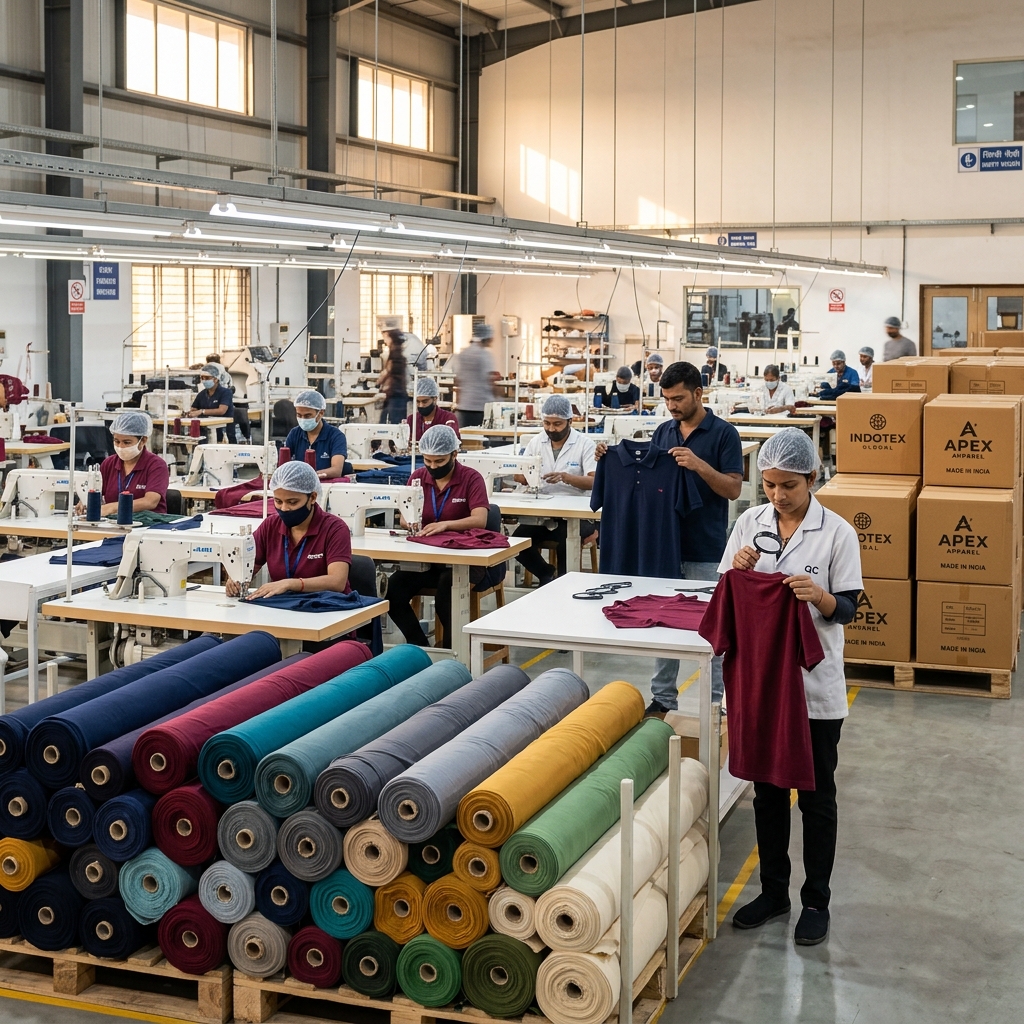
How to avoid it: Budget for pre-shipment inspection on every order, at least until you have established a proven track record with the supplier. Use AQL (Acceptable Quality Level) sampling standards. Hire a third-party agency if you do not have your own team on the ground.
Mistake 10: No Contingency Plan
Even with the best preparation, things can go wrong. Suppliers can face raw material shortages. Ports can experience congestion. Customs regulations can change. Having no contingency plan means any disruption cascades into a crisis.
How to avoid it: Maintain relationships with at least two qualified suppliers for each critical product. Keep your documentation and compliance records organized so you can switch suppliers without starting from scratch.
How Taraka International Helps You Avoid These Mistakes
Taraka International exists specifically to help global importers navigate the complexities of sourcing from India. We act as your risk mitigation partner:
- Supplier verification so you do not rely on unverified factories
- Export planning with realistic timelines and buffer strategies
- Compliance guidance for your specific destination market
- Shipment monitoring from production through delivery
- Communication management bridging cultural and language gaps
Do not learn these lessons the expensive way. Talk to our team before placing your next order from India.
Ready to source with confidence? Submit your requirement and we will match you with verified manufacturers.
Related reading: How to Source Products from India Safely | Why Importers Are Shifting from China to India in 2026