Why Global Importers Are Shifting Sourcing from China to India in 2026
If you are an importer, distributor, or procurement manager sourcing products from Asia, you have likely heard the term China+1 in every sourcing conversation this year. It is no longer a trend. It is a supply chain survival strategy.
Global importers across the United States, European Union, Middle East, and Oceania are actively reducing their over-dependency on China. The reasons are clear, measurable, and accelerating. India is emerging as the most viable alternative for a growing list of product categories.
This article breaks down the real drivers behind this shift, the categories where India is gaining ground, and what importers should evaluate before making the move.
The China+1 Strategy: From Buzzword to Business Reality
The China+1 sourcing model is simple in concept: maintain existing Chinese suppliers for scale, but develop at least one additional sourcing country to reduce concentration risk.
What started as a theoretical exercise after the pandemic disruptions of 2020 has now become a boardroom mandate. Procurement leaders are under pressure to demonstrate supply chain resilience, and single-country dependency is no longer acceptable to stakeholders or insurers.
Several forces are driving this urgency:
- Tariff escalation. US Section 301 tariffs on Chinese goods remain elevated, and the EU is introducing its own carbon border adjustment mechanisms that increase the cost of Chinese imports.
- Geopolitical friction. Tensions around Taiwan, technology restrictions, and trade sanctions create unpredictable sourcing environments.
- Rising manufacturing costs in China. Labour costs in China's coastal manufacturing zones have risen by over 60% in the last decade. Many low-to-mid complexity products are no longer cost-competitive.
- Buyer compliance pressure. ESG requirements and supply chain transparency regulations (such as the EU Corporate Sustainability Due Diligence Directive) push buyers toward markets with improving compliance infrastructure.
Why India Is the Leading Alternative
India is not the only alternative. Vietnam, Bangladesh, Indonesia, and Turkey are all part of the conversation. But India offers a combination of advantages that make it the strongest contender across the widest range of product categories.
Manufacturing Capacity Is Expanding Rapidly
India's manufacturing sector contributed over $450 billion to GDP in 2025, with government initiatives like Make in India and Production Linked Incentive (PLI) schemes attracting both domestic and foreign investment. Capacity is expanding in textiles, agro-processing, pharmaceuticals, specialty chemicals, and consumer goods.
Government Export Incentives Improve Price Competitiveness
India's Remission of Duties and Taxes on Exported Products (RoDTEP) scheme, along with sector-specific incentives, helps Indian manufacturers offer competitive pricing. For importers, this translates to better landed cost economics compared to many alternatives.
Logistics Connectivity Is Improving
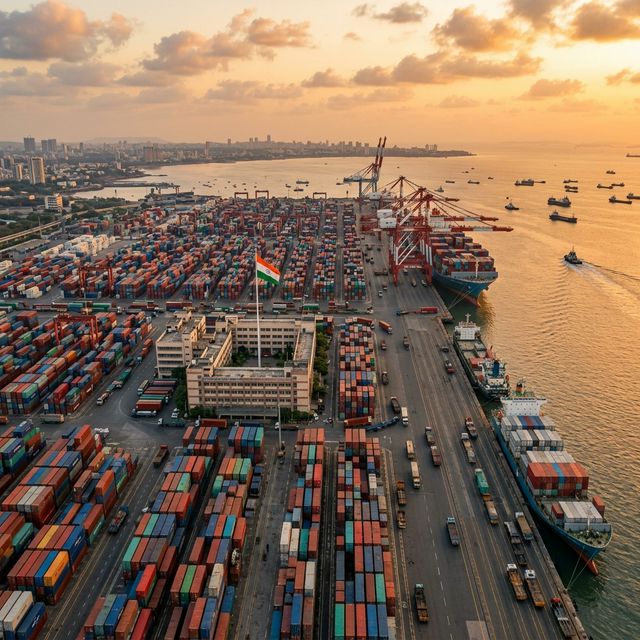
Indian port infrastructure has improved significantly. The Sagarmala programme has modernized major ports, and transit times from key Indian ports (JNPT, Mundra, Chennai) to the US East Coast, Northern Europe, and the Persian Gulf are now competitive with Chinese alternatives for many routes.
Multi-Category Sourcing Flexibility
Unlike Vietnam (strong in electronics assembly) or Bangladesh (focused on garments), India offers sourcing depth across dozens of categories. Whether you need cocopeat for horticulture, quinoa for food distribution, effervescent tablets for nutraceuticals, or private label apparel, India has verified manufacturers ready to export.
What Product Categories Are Shifting Fastest
The China-to-India shift is not uniform across all industries. It is strongest in categories where India has existing manufacturing depth and where tariff or compliance pressures are highest.
Agricultural and Food Products
India is the world's largest producer of spices, a major producer of rice, tea, and oilseeds, and an emerging force in superfoods like quinoa and moringa. For food importers, India offers FSSAI-regulated production, competitive pricing, and established export infrastructure.
Textiles and Apparel
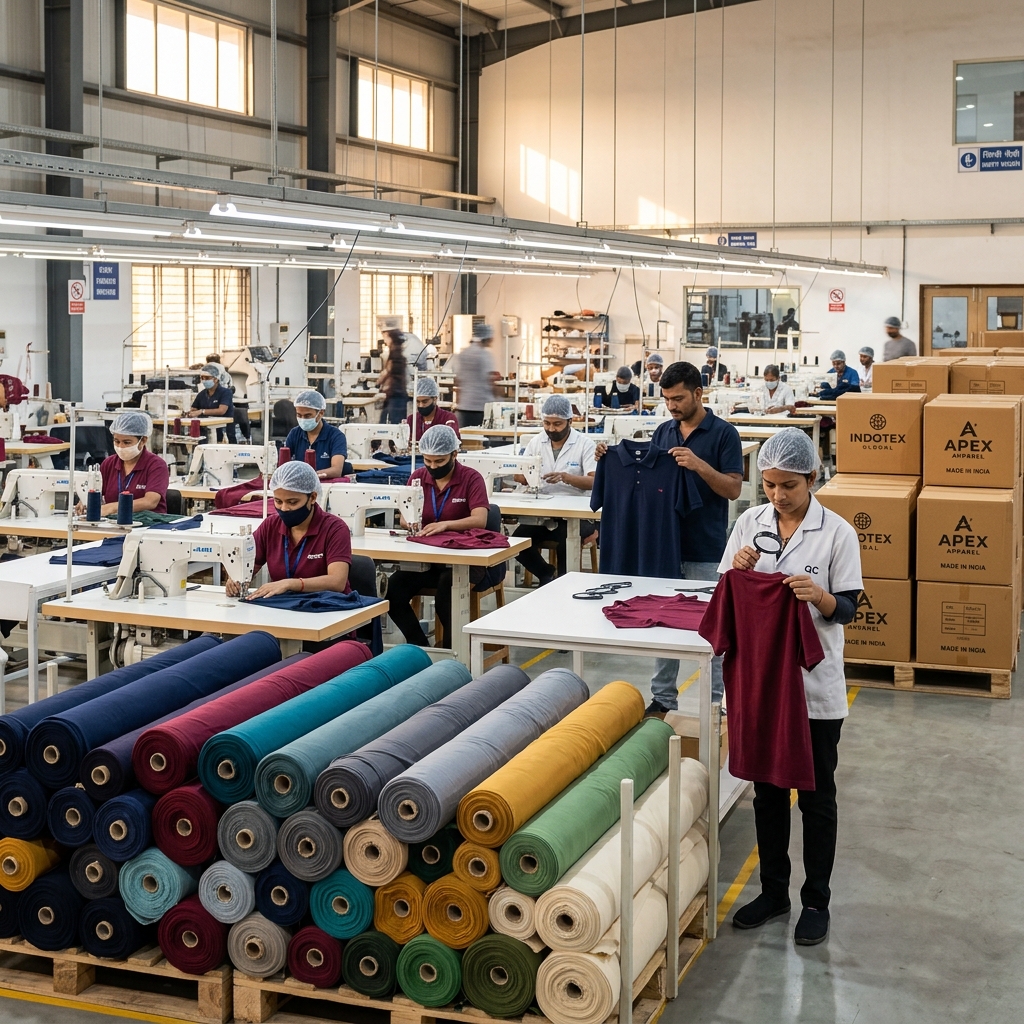
India's textile industry is one of the oldest and most diversified globally. From raw cotton to finished garments, India offers vertical integration that few countries can match. Private label and contract manufacturing capabilities are well developed.
Pharmaceutical Inputs and Nutraceuticals
India supplies over 20% of the world's generic medicines. The nutraceutical and dietary supplement manufacturing sector is growing rapidly, with GMP-certified facilities serving buyers in the US, EU, and Gulf markets.
Specialty Chemicals and Agro-Inputs
Indian chemical manufacturers are capturing market share as Chinese environmental regulations increase production costs. Crop protection chemicals, dyes, and intermediates are seeing strong export growth.
What Importers Should Evaluate Before Switching
Shifting sourcing from China to India is not a plug-and-play decision. Here are the critical factors to assess:
Supplier Verification
The Indian manufacturing landscape is fragmented. Finding the right supplier requires verification beyond a website check. Factory audits, production capacity validation, and reference checks are essential.
Documentation and Compliance
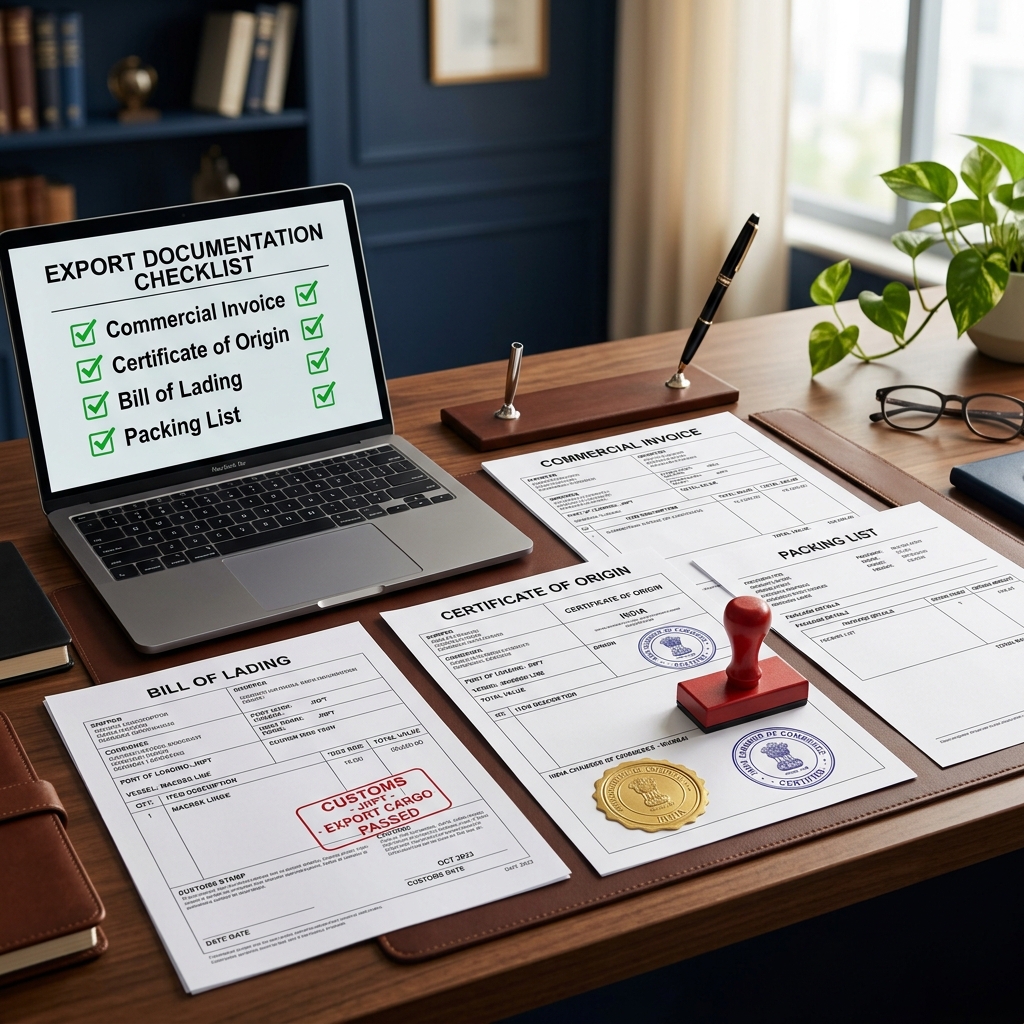
Indian export documentation follows a structured process, but importers unfamiliar with Indian trade practices may face learning curves around HS codes, certificates of origin, FSSAI certifications (for food), and customs procedures. Working with an experienced export coordination partner significantly reduces friction.
Communication and Production Timelines
Indian manufacturers often operate on different production cycle assumptions than Chinese factories. Clear specifications, written confirmations, and milestone-based tracking prevent misunderstandings.
Incoterms and Payment Terms
FOB and CIF terms from Indian ports are well established, but importers should negotiate payment terms carefully. Letters of credit and escrow arrangements are common for first-time buyer-seller relationships.
How Taraka International Supports This Transition
Taraka International is positioned as a sourcing navigation partner for global importers exploring India. We do not just connect buyers with suppliers. We manage the entire sourcing execution process:
- Supplier verification and shortlisting across multiple product categories
- Quality control coordination with on-ground inspection support
- Export documentation handled end-to-end
- Multi-product sourcing from a single coordination point
- Risk-diversified procurement strategies for buyers managing multi-country supply chains
If you are evaluating India as part of your China+1 strategy, we can help you move from research to first shipment without the typical friction of entering a new sourcing market.
The Bottom Line
The shift from China to India is not theoretical. It is happening across product categories, driven by tariff economics, geopolitical risk, and improving Indian manufacturing capacity. For importers who act now, India offers a genuine competitive advantage in cost, quality, and supply chain resilience.
The question is not whether to diversify. The question is how quickly you can build a reliable India sourcing channel.
Ready to explore sourcing from India? Start a conversation with our team or submit your sourcing requirement.
Related reading: India vs Vietnam vs China: Where Should Importers Source in 2026? | How to Source Products from India Safely