How to Source Food Products from India: A Complete Guide for International Buyers
A comprehensive procurement guide for international buyers sourcing food products, evaluating manufacturers, managing compliance, and negotiating Incoterms in India.
Table of Contents (40 sections)↓
- At a Glance
- Why India Has Become a Global Food Sourcing Hub
- At a Glance
- Is India the Right Sourcing Destination for Your Business?
- Understanding India's Food Manufacturing Ecosystem
- Finding and Evaluating Food Manufacturers in India
- Where Can You Find Food Manufacturers in India?
- Build a Supplier Shortlist Before Contacting Anyone
- How to Evaluate a Food Manufacturer
- Which Food Certifications Matter?
- Never Skip Product Sampling
- Questions Every Procurement Manager Should Ask
- Common Supplier Red Flags
- From Supplier Selection to Long-Term Procurement Success
- Negotiate Beyond Price
- Understand Incoterms Before Signing Any Agreement
- Documentation Should Never Be an Afterthought
- Logistics Is Part of Procurement
- Build Long-Term Supplier Relationships
- International Food Procurement Checklist
- Frequently Asked Questions
- How long does it typically take to source food products from India?
- Should I work directly with manufacturers or through merchant exporters?
- Is the lowest quotation usually the best choice?
- Should every supplier be audited on-site before issuing an order?
- What are the typical Minimum Order Quantities (MOQs) for Indian food manufacturers?
- How do I protect my brand IP during private label food production?
- How are payment terms structured for first-time international buyers?
- What key food safety certifications should Indian manufacturers hold?
- How do I verify product quality and prevent batch-to-batch variation?
- What is the difference between FOB and DDP terms for food imports?
- How do seasonal harvest cycles affect product pricing and availability?
- Can multiple food product categories be consolidated into a single container?
- What documentation is required to clear Australian or New Zealand customs?
- How do Indian manufacturers handle custom packaging and labelling regulations?
- What happens if a shipment experiences customs delays or biosecurity hold?
- How does Taraka International assist buyers with supplier qualification?
- Sources & References
- Official Export & Food Safety Authorities
- International Standards & Frameworks
Global food procurement has changed dramatically over the last decade. Rising production costs, supply chain disruptions, changing consumer preferences, and the need to diversify sourcing have encouraged procurement teams to look beyond their traditional supplier markets. India has become one of the strongest candidates.
Today, India exports food products to 200+ countries and territories, supported by one of the world's largest agricultural sectors and thousands of export-oriented food manufacturers. From spices and rice to ready-to-eat meals, beverages, frozen foods, nutraceuticals, and private-label products, buyers can source a diverse range of food categories from a single manufacturing ecosystem.
For procurement managers, however, successful sourcing is about much more than finding a supplier with a competitive price. It requires understanding manufacturing capabilities, evaluating suppliers, verifying food safety systems, assessing commercial risks, and building long-term sourcing partnerships.
This guide explains that entire journey. Rather than simply listing suppliers or export procedures, it provides a structured procurement approach that helps international buyers make informed sourcing decisions.
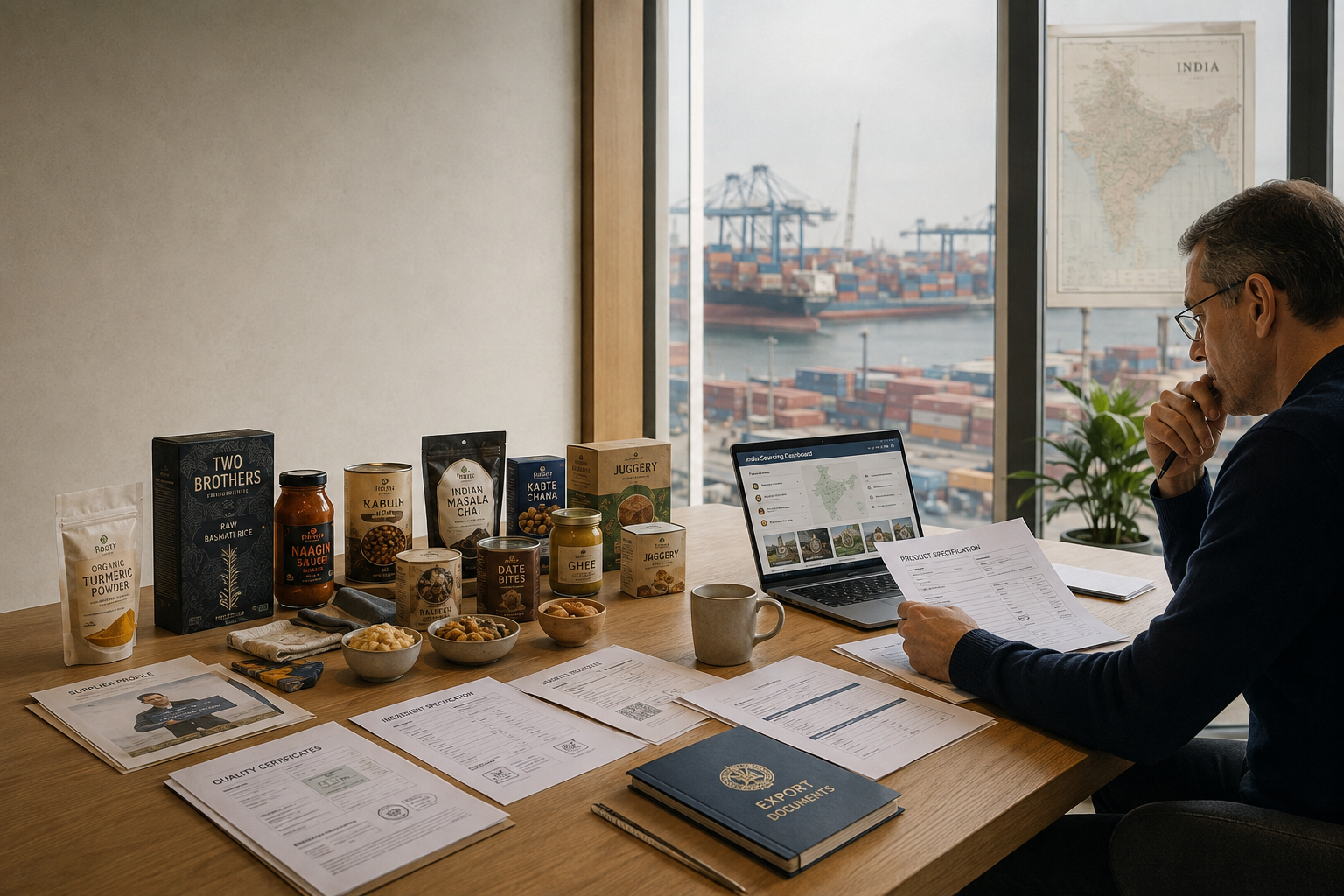
Figure 1.0: The global food sourcing journey from initial requirements to long-term procurement partnerships.
At a Glance
Successful food sourcing from India generally follows eight stages.
| Stage | Objective |
|---|---|
| 1. Define Requirements | Finalise product specifications, volumes, packaging and commercial requirements. |
| 2. Identify Suppliers | Build a shortlist of suitable manufacturers or export partners. |
| 3. Evaluate Capabilities | Assess manufacturing capacity, product range and export experience. |
| 4. Verify Compliance | Review certifications, quality systems and regulatory compliance. |
| 5. Validate Products | Request samples, specifications and laboratory documentation where required. |
| 6. Negotiate Commercial Terms | Agree pricing, MOQs, lead times, payment terms and Incoterms. |
| 7. Execute Procurement | Complete documentation, production planning and shipment preparation. |
| 8. Build Long-Term Partnerships | Monitor supplier performance and develop strategic sourcing relationships. |
Every successful procurement project follows these stages in one form or another. The difference lies in how thoroughly each stage is completed before the first purchase order is issued.
Why India Has Become a Global Food Sourcing Hub
India offers a combination of agricultural scale, manufacturing capability and product diversity that few sourcing destinations can match.
At a Glance
| Metric | Details |
|---|---|
| Export destinations | 200+ countries and territories |
| Major food categories | Thousands of exportable food products |
| Manufacturing ecosystem | Thousands of export-oriented food manufacturers |
| Production strengths | Agriculture, processed foods, private label and contract manufacturing |
Several factors continue to attract international procurement teams:
India manufactures products across almost every major food category including spices, rice, pulses, millets, frozen foods, ready-to-eat meals, snacks, tea, coffee, dairy, functional beverages, nutraceuticals, and organic products. For buyers looking to consolidate procurement, this diversity allows multiple product categories to be sourced from a single country.
India is among the world's largest producers of numerous agricultural commodities, providing manufacturers with access to extensive domestic raw material supplies. This supports production across a wide range of food categories while strengthening supply continuity for many export-oriented businesses.
Many Indian food manufacturers now produce for demanding international markets including Australia, New Zealand, Europe, North America and the Middle East. Export-focused facilities increasingly operate under internationally recognised food safety and quality management systems, making them capable partners for international retailers, distributors and private-label brands.
India is no longer recognised solely for traditional food products. Manufacturers increasingly develop plant-based foods, functional beverages, health foods, premium snacks, ready-to-cook products, international flavour profiles, and retail-ready private-label products. This expansion enables procurement teams to source products for mainstream retail shelves rather than only ethnic grocery channels.
Is India the Right Sourcing Destination for Your Business?
India offers significant sourcing opportunities, but every procurement decision should begin with an honest assessment of your business requirements.
India is often an excellent choice if your business is looking for:
- A wide range of food categories from one sourcing market.
- Private-label manufacturing.
- Contract manufacturing.
- Competitive production costs.
- Export-ready suppliers.
- Flexible production capabilities.
- Long-term strategic sourcing partnerships.
However, successful procurement also requires evaluating factors such as lead times, logistics, import regulations, product shelf life, packaging requirements and supplier communication. Choosing the right sourcing country is only the first decision. Choosing the right supplier is far more important.
Understanding India's Food Manufacturing Ecosystem
One of the biggest misconceptions among first-time buyers is assuming every exporter is also a manufacturer. In reality, India's export ecosystem consists of several different business models.
| Supplier Type | Primary Role |
|---|---|
| Manufacturer | Produces food products in its own facility. |
| Merchant Exporter | Sources products from one or more manufacturers and manages exports. |
| Contract Manufacturer | Produces products for another company's brand. |
| Private Label Manufacturer | Manufactures products sold under the buyer's own brand. |
Each model offers different advantages depending on your procurement objectives. Understanding these differences is essential because they affect pricing, communication, production flexibility, quality control and long-term supplier relationships.
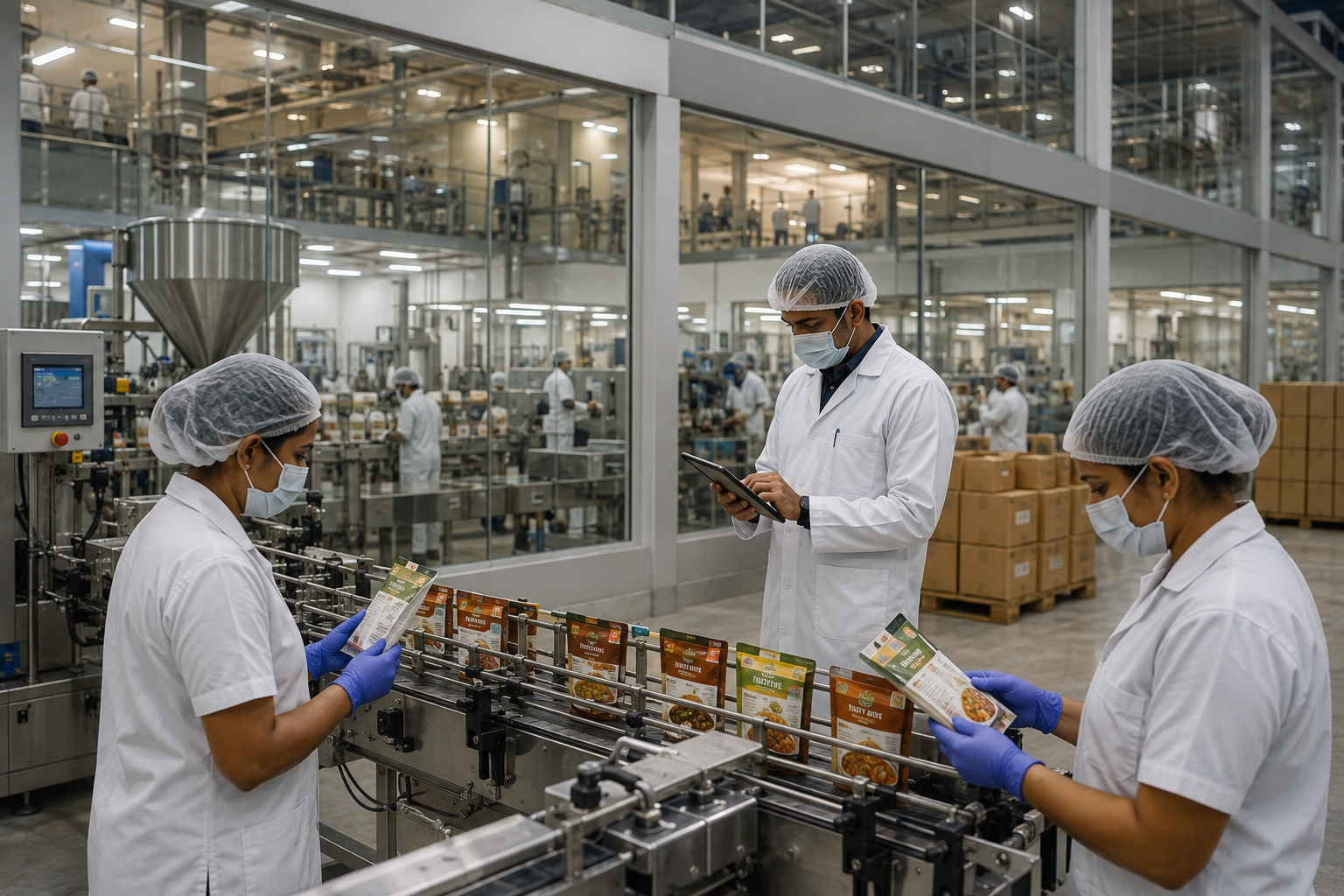
Figure 2.0: India's modern food manufacturing ecosystem and supplier model breakdown.
Finding and Evaluating Food Manufacturers in India
Once you've decided that India is the right sourcing destination, the next challenge begins. Finding suppliers is relatively easy. Finding the right supplier is considerably more difficult.
Today, procurement managers have access to thousands of Indian food manufacturers through trade directories, trade shows, industry associations, sourcing platforms, referrals, and online searches. While this creates more choice, it also increases the risk of selecting a supplier that cannot consistently meet your commercial, quality, or regulatory requirements.
Where Can You Find Food Manufacturers in India?
There is no single database that contains every reliable food manufacturer. Most procurement teams build a supplier pipeline by combining multiple sourcing channels.
| Sourcing Channel | Best For | Considerations |
|---|---|---|
| Industry Referrals | Trusted supplier recommendations | Usually the highest-quality introductions. |
| Trade Shows | Meeting manufacturers face-to-face | Allows direct discussions and product evaluation. |
| Industry Associations | Verified industry members | Useful for discovering established exporters. |
| B2B Marketplaces | Large supplier databases | Requires careful supplier verification. |
| Online Research | Independent supplier discovery | Useful for identifying specialised manufacturers. |
| Procurement Partners | Pre-qualified supplier networks | Saves time during supplier identification and verification. |
Build a Supplier Shortlist Before Contacting Anyone
A common mistake is contacting dozens of suppliers immediately after finding them online. Experienced procurement managers take a more structured approach.
Start by creating a shortlist of approximately 5 to 10 suppliers that appear capable of meeting your requirements. Evaluate each supplier using publicly available information before sending your first enquiry:
- Product portfolio
- Export experience
- Manufacturing capability
- Certifications
- Target export markets
- Company history
- Production capacity
- Customer references
- Website quality and responsiveness
This initial screening can eliminate unsuitable suppliers before valuable procurement time is invested.
How to Evaluate a Food Manufacturer
Finding suppliers is only the beginning. Supplier evaluation determines whether a sourcing project succeeds or fails. Instead of making decisions based on price alone, procurement managers typically assess manufacturers across multiple business functions.
| Evaluation Area | Questions to Consider |
|---|---|
| Manufacturing Capability | Can they consistently produce your required volumes? |
| Product Quality | Do products meet your specifications? |
| Food Safety | Which food safety systems are implemented? |
| Export Experience | Have they supplied your destination market before? |
| Compliance | Can they satisfy regulatory requirements? |
| Commercial Stability | Are pricing and lead times realistic? |
| Communication | Are enquiries answered accurately and promptly? |
| Supply Reliability | Can they maintain long-term consistency? |
The strongest supplier is rarely the one with the lowest quotation. It is usually the supplier that consistently performs well across all of these areas.
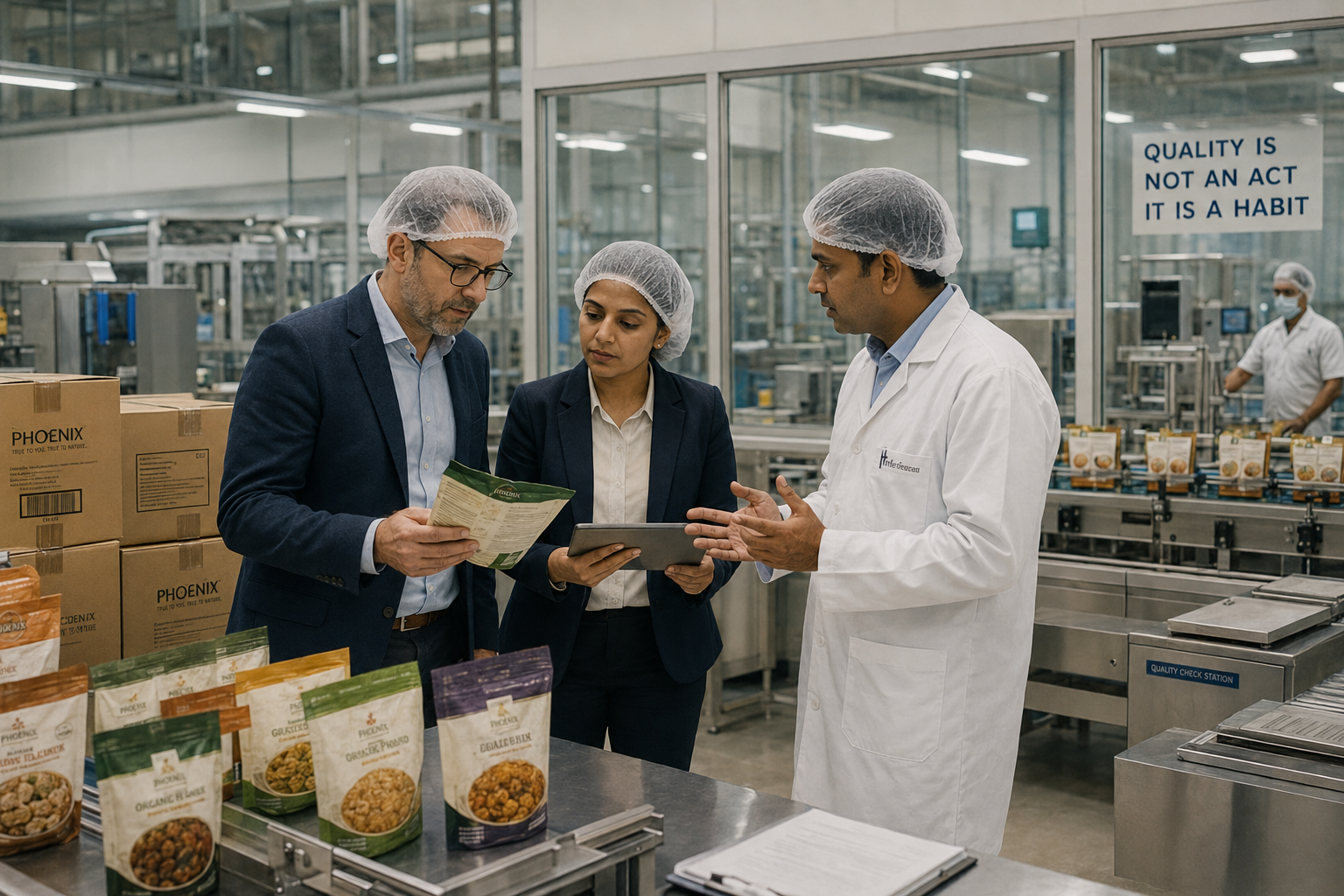
Figure 3.0: Evaluating manufacturing capability and supply chain reliability before supplier approval.
Which Food Certifications Matter?
Certifications should never be viewed as a simple checklist. Instead, they provide evidence that a manufacturer has implemented recognised food safety and quality management systems.
Depending on your product category and destination market, you may encounter certifications such as:
| Certification | Purpose |
|---|---|
| HACCP | Hazard analysis and food safety management system |
| ISO 22000 | Food safety management system standard |
| BRCGS | Global food safety standard widely recognised by retailers |
| FSSC 22000 | International GFSI-recognised food safety certification |
| Halal | Products prepared according to Halal requirements |
| Kosher | Products prepared according to Kosher requirements |
| Organic Certification | Required for certified organic products |
Not every manufacturer needs every certification. The relevant certifications depend on the destination market, customer requirements, retailer policies, and product category.
Never Skip Product Sampling
A product specification sheet provides useful information. A product sample provides confidence.
Before committing to commercial production, procurement teams should evaluate:
- Product quality and sensory characteristics
- Taste, aroma, and texture
- Packaging structural integrity
- Shelf life testing documentation
- Product consistency across batches
- Labelling accuracy
- Transport suitability under export conditions
Where appropriate, buyers should request laboratory reports or certificates of analysis (COA) to verify product specifications against destination market standards.
Sampling is often the least expensive stage of procurement but can prevent some of the most costly sourcing mistakes.
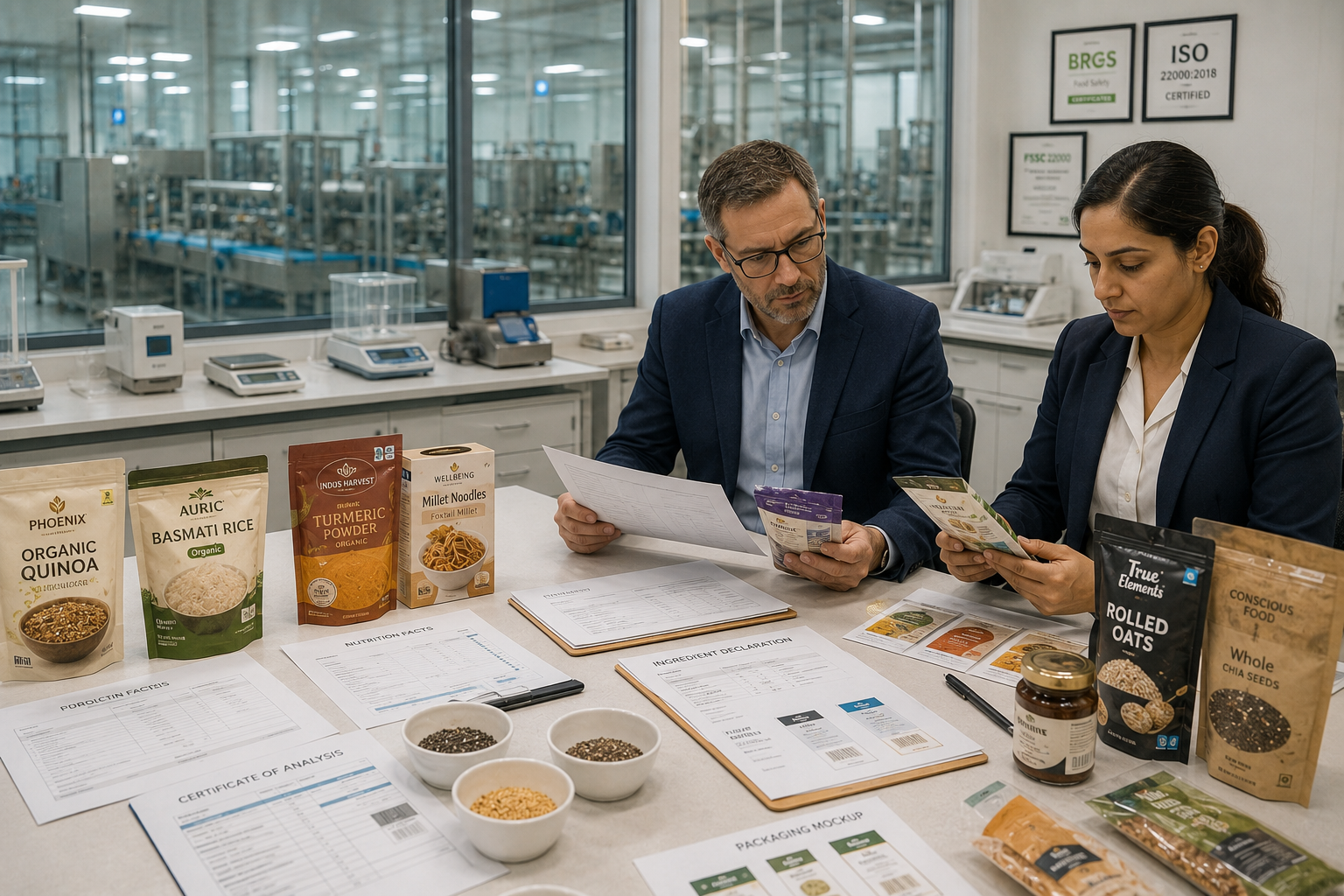
Figure 4.0: Product sampling and laboratory quality verification workflow.
Questions Every Procurement Manager Should Ask
Before approving any supplier, make sure you can confidently answer these core operational questions:
Can the supplier consistently manufacture your required order volumes without sacrificing product quality or batch consistency during peak demand?
Do they have verified experience exporting to your specific destination market (e.g. Australia, New Zealand, Europe, USA) and navigating its customs clearance procedures?
Are their food safety certifications (GFSI, BRCGS, FSSC 22000, HACCP) appropriate, current, and issued by accredited third-party auditing bodies?
Can they demonstrate full batch-level raw material and finished product traceability from farm origin to dispatch?
Are production lead times realistic, transparent, and contractually guaranteed with clear Service Level Agreements?
Is pricing commercially sustainable for the supplier, avoiding the risk of unexpected mid-contract renegotiations or quality degradation?
Do they communicate professionally, transparently, and promptly in your preferred business language?
Can they support long-term business expansion, new SKU developments, and custom private-label packaging as your sales volumes scale?
Common Supplier Red Flags
Not every supplier is the right supplier. The following warning signs deserve closer attention:
One warning sign may not be enough to reject a supplier. Multiple warning signs should trigger a much deeper evaluation.
From Supplier Selection to Long-Term Procurement Success
Selecting a supplier is not the finish line. It is the beginning of a long-term commercial relationship.
The final stage of procurement is about transforming a qualified supplier into a dependable business partner capable of delivering consistent quality, regulatory compliance, and reliable supply over many years. The decisions made at this stage often determine whether your procurement project becomes a long-term success or an expensive lesson.
Negotiate Beyond Price
One of the biggest mistakes procurement teams make is focusing exclusively on unit price. A lower purchase price does not always result in a lower total cost of procurement.
Instead, evaluate the complete commercial offer:
| Commercial Factor | Why It Matters |
|---|---|
| Unit Price | Determines initial product cost. |
| Minimum Order Quantity (MOQ) | Affects inventory holding and working capital. |
| Lead Time | Impacts stock planning and market availability. |
| Payment Terms | Influences cash flow and working capital management. |
| Incoterms | Defines responsibility for transport, insurance and risk transfer. |
| Packaging | Affects shipping efficiency and retail shelf readiness. |
| Production Flexibility | Supports seasonal demand spikes and future growth. |
| Communication | Reduces operational delays and misunderstandings. |
Understand Incoterms Before Signing Any Agreement
Every international shipment operates under agreed delivery terms known as Incoterms®. These rules define which party is responsible for transportation, insurance, customs responsibilities and the transfer of risk.
Some of the most common Incoterms used in food procurement include:
| Incoterm | Supplier Responsibility Ends |
|---|---|
| EXW (Ex Works) | Goods are made available at the supplier's premises. |
| FOB (Free on Board) | Goods are loaded onto the nominated vessel at the origin port. |
| CIF (Cost, Insurance & Freight) | Supplier pays transport and insurance to the destination port. |
| DDP (Delivered Duty Paid) | Supplier delivers goods to the buyer's premises after completing all import formalities. |
Selecting the appropriate Incoterm affects freight costs, insurance, customs responsibilities and overall supply chain risk. Procurement teams should ensure every quotation clearly specifies the agreed Incoterm before confirming an order.
Documentation Should Never Be an Afterthought
International food shipments rely on accurate documentation. Missing or incorrect paperwork can result in customs delays, additional inspection, storage charges or even shipment rejection.
Although documentation requirements vary by destination market, procurement teams commonly review:
- Commercial Invoice
- Packing List
- Bill of Lading or Air Waybill
- Certificate of Origin (CO)
- Health or Phytosanitary Certificates (where applicable)
- Product Specifications Sheet
- Certificate of Analysis (COA)
- Laboratory Test Reports (where required)
- Import permits (product and market dependent)
Preparing documentation early reduces unnecessary delays later in the procurement process.
Logistics Is Part of Procurement
Procurement does not end when production finishes. A successful sourcing project also depends on effective logistics planning.
Consider:
- Production schedules aligned with vessel sailings
- Freight availability and container booking lead times
- Transit times and transhipment routes
- Seasonal shipping disruptions and port congestion
- Destination customs clearance procedures
- Warehousing and cold chain integrity
- Buffer inventory planning
Good logistics planning protects product availability while reducing unexpected costs across the supply chain.
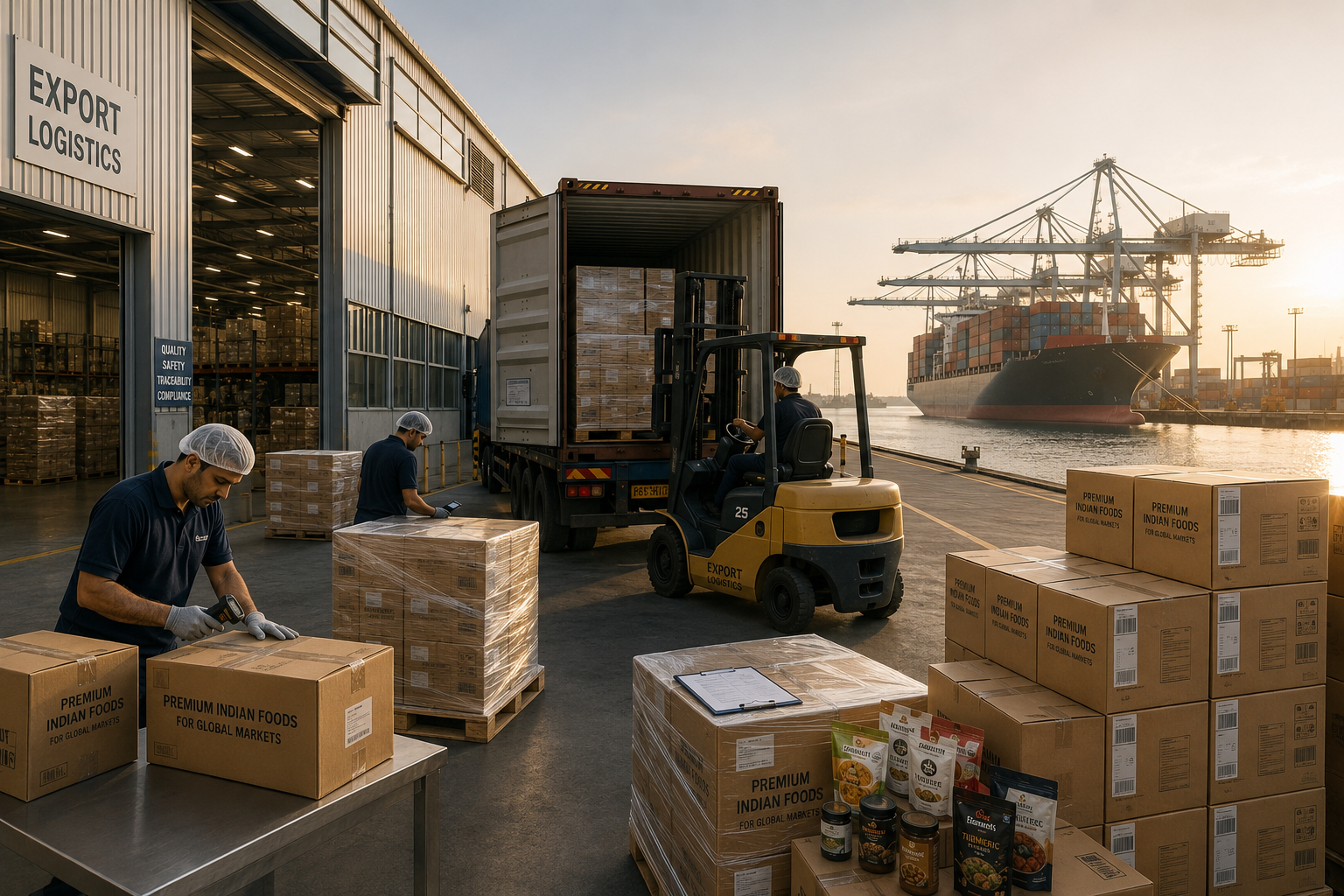
Figure 5.0: Managing international food logistics from factory floor to global destination port.
Build Long-Term Supplier Relationships
The strongest procurement teams do not constantly change suppliers. Instead, they develop long-term partnerships built on trust, transparency and consistent performance.
Long-term suppliers often provide:
- Better production slot priority
- Improved pricing stability
- Faster technical communication
- Greater production flexibility
- Priority during periods of raw material scarcity
- Joint product development collaboration
Treat suppliers as strategic business partners rather than transactional vendors. Strong supplier relationships often become a sustainable competitive advantage.
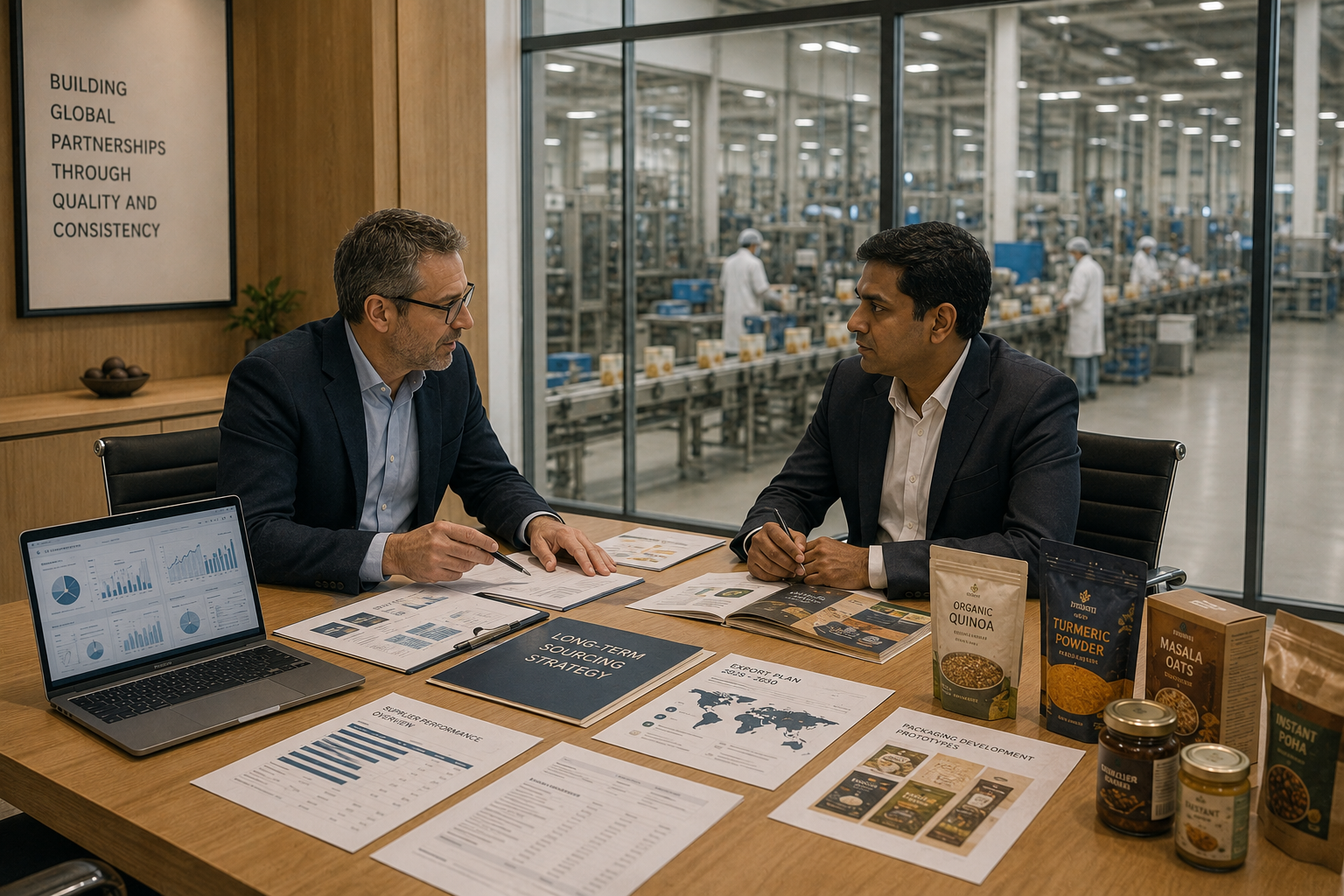
Figure 6.0: Developing strategic long-term procurement partnerships for supply chain resilience.
International Food Procurement Checklist
Before placing your first commercial order, confirm that you have completed the following steps:
Finalise product specifications, target commercial budgets, and confirm destination market regulatory standards.
Shortlist 5 to 10 qualified candidates, review manufacturing facilities, verify destination market export track record, and review food safety certifications.
Request and approve product samples, verify packaging structural suitability, confirm destination label compliance, and validate technical COAs.
Agree unit pricing and volume tiers, confirm MOQs and lead times, negotiate payment terms, and select Incoterms® delivery terms.
Complete pre-shipment document audits, book freight container logistics, review customs import permits, and confirm dispatch schedule.