
Can One Packaging Design Work Worldwide? Building Export-Ready Packaging for Global Markets
A practical strategic guide to designing modular, compliant, and cost-effective food packaging for international distribution.
Table of Contents (28 sections)↓
- At a Glance
- 1. The Global Packaging Conflict
- 2. The Four Pillars of Packaging Compliance
- Regulatory & Mandatory Information (US FDA, EU, FSANZ, GCC)
- Language & Translation Mandates
- Material & Sustainability Regulations (EU PPWR, APCO Australia)
- Retailer & Supply Chain Specifications
- 3. One Product, Five Countries: Managing Variances
- 4. The Taraka Modular Packaging Framework
- 5. Overstickering vs Pre-Printed Packaging Strategy
- 6. The Global Packaging Approval Journey & Decision Tree
- Frequently Asked Questions
- Is it legally permissible to use a single multi-lingual packaging design across multiple countries?
- When is overstickering acceptable for imported food products, and when is it rejected?
- How do EU recyclability mandates (PPWR) impact food packaging exported from outside Europe?
- What are the risks of using automated translation tools for food ingredient labels?
- How does font size and legibility legislation differ between the US FDA and EU directives?
- Can barcode standards (GS1) remain identical across global distribution channels?
- What is modular packaging design, and how does it reduce printing inventory costs?
- How do allergen formatting rules differ between US, EU, and Australian labels?
- How can brands test packaging durability before entering overseas distribution networks?
- What legal notices are required when using eco-friendly or compostable packaging materials?
- How does packaging artwork version control prevent costly printing errors?
- How does Taraka help brands optimize global packaging architecture?
- Sources & References
- International Packaging & Sustainability Bodies
- Regulatory & Labeling Authorities
- Industry & Packaging Logistics Standards
Strategies for Modular Label Design, Overstickering, and Multi-Market Packaging Standardization
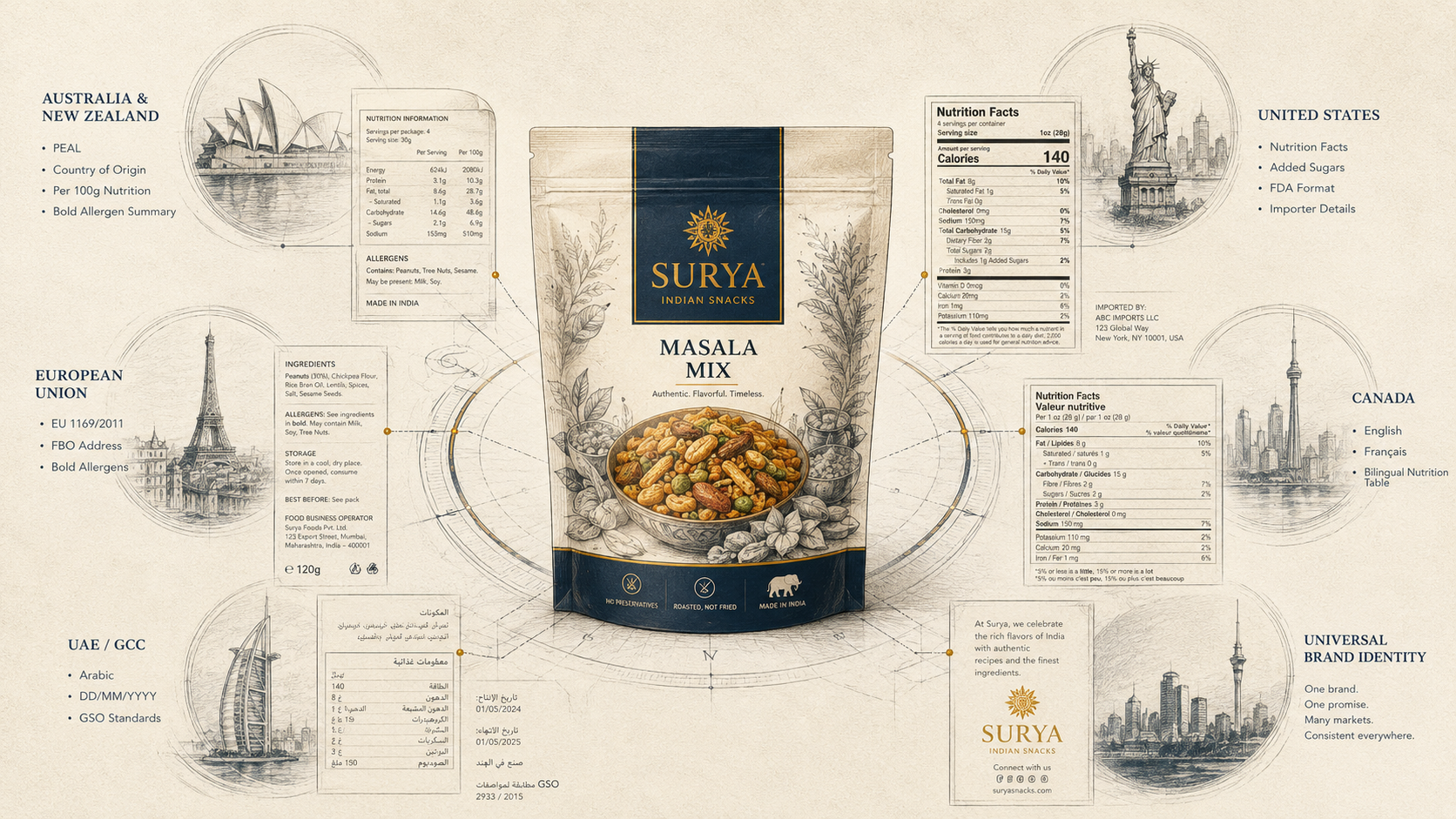
At a Glance
| Strategy | Ideal Use Case | Cost Profile | Compliance Risk | Visual Brand Impact |
|---|---|---|---|---|
| Universal Single Design | Does not exist | Extremely High (Penalties) | Guaranteed Failure | Messy, overcrowded |
| Modular Base Design | Core branding with regional overlays | Low Setup, Low Inventory | Low Risk | High consistency |
| Overstickering | Test markets and low volume | Low Initial, High Unit | Medium Risk | Moderate disruption |
| Dedicated Country SKUs | Massive volume in single markets | High Setup, High Inventory | Low Risk | High consistency |
The Global Packaging Conflict
For consumer food brands expanding internationally, packaging design is often treated as a visual branding exercise. Founders and marketing teams spend months perfecting logos, colors, and graphics, assuming that a package selling well in India can simply be shipped overseas. In international trade, that assumption leads to expensive supply chain failures.
Every year, food shipments arrive at ports in Sydney, Los Angeles, London, and Dubai, only to be held at customs. The problem is rarely the food itself. Instead, border inspectors detain containers because a nutritional panel lacks mandatory metric values, an allergen is missing bold text, or language translations are incomplete.
When packaging fails border inspection, the financial loss is severe. Storage fees accumulate daily at $180 to $350 per hour, retail delivery deadlines are missed, and companies often face complete repackaging costs that destroy profit margins.
While a single static package cannot legally satisfy every country, brands can design a universal framework that keeps redesign costs low while maintaining 100% regulatory compliance. Think of food packaging like a passport. Just as a traveler needs the right visa stamps to enter different countries, food packages must carry specific legal information required by each country's government.
Food brand executives face a constant choice when expanding globally. Brand identity relies on visual consistency. A customer recognizing your brand in London should recognize the exact same product in Singapore or Dubai. At the same time, government food authorities enforce strictly localized labeling laws to protect their citizens.
Figure 1.0: Balancing visual brand consistency with fragmented global packaging compliance laws.
The Four Pillars of Packaging Compliance
To build export packaging that clears customs smoothly, you must understand the four areas where international rules differ.
Regulatory & Mandatory Information (US FDA, EU, FSANZ, GCC)
Every government requires core facts on primary retail packaging. However, rules for font size, panel placement, and field of vision vary by region.
Product Name (Statement of Identity):* Must describe what the food actually is, not just your brand name. For example, "Crispy Lentil Chips" instead of just "Crunchies". Net Quantity Declaration:* Most of the world requires metric units, such as grams or milliliters. The United States requires both metric and US units under the US Fair Packaging and Labeling Act. Minimum font height rules based on package size are strictly enforced. Batch Identification and Expiration Dates:* Date coding format rules vary. The European Union and UK require "Best Before" or "Use By". Australia and New Zealand mandate specific formats under FSANZ Standard 1.2.5. The Middle East requires unalterable production and expiry dates formatted DD/MM/YYYY printed directly on primary wrappers. Responsible Business Address:* The US requires the name and address of the US Importer or Distributor per US FDA Guidelines. The EU and UK require an EU or UK based Food Business Operator address under EU Regulation 1169/2011. Australia requires an Australian or New Zealand address.
Language & Translation Mandates
Language laws reflect national cultural rules and consumer rights.
Single-Language Markets:* Countries like the US, UK, and Australia allow English-only packaging, provided all technical terms follow local laws. Bilingual Markets:* Canada strictly enforces equal prominence for English and French under CFIA Labelling Directives. Font size, color contrast, and layout must match across both languages. Regional Language Mandates:* The Middle East requires clear Arabic labeling under GSO rules. Dual English and Arabic packaging is standard, and Arabic text must include the product description, ingredient list, allergen warnings, and importer details.
Material & Sustainability Regulations (EU PPWR, APCO Australia)
Export packaging compliance involves more than printed text. The physical materials used to make food wrappers must also meet strict environmental laws worldwide.
Australia (APCO 2025/2026 Mandates):* The Australian Packaging Covenant Organisation (APCO) enforces national packaging targets requiring all packaging to be reusable, recyclable, or compostable. The Australasian Recycling Label (ARL) provides clear on-pack instructions telling consumers how to recycle each packaging component. European Union (Packaging and Packaging Waste Regulation - PPWR):* The EU's PPWR introduces aggressive requirements to reduce packaging waste, ban single-use plastic formats, and mandate minimum recycled content percentages. Packaging must be designed for recyclability, and heavy metal concentrations in packaging materials are capped. Food Contact Material (FCM) Safety:* All primary packaging materials coming into direct contact with food must hold certified Food Contact Material safety compliance. Materials must comply with FDA 21 CFR regulations in the US, and Regulation (EC) No 1935/2004 in the EU, proving that packaging components do not transfer harmful chemicals into food products.
Retailer & Supply Chain Specifications
Supermarket category buyers in Australia, the UK, Europe, and North America mandate GFSI-recognized certifications, such as BRCGS Issue 9 or FSSC 22000 Version 6. Standalone ISO 22000 lacks standardized Pre-Requisite Programs required by major retail conglomerates. Nutritional Information Panel formats also differ. Exporting a domestic nutrition table to another country is an automatic violation.
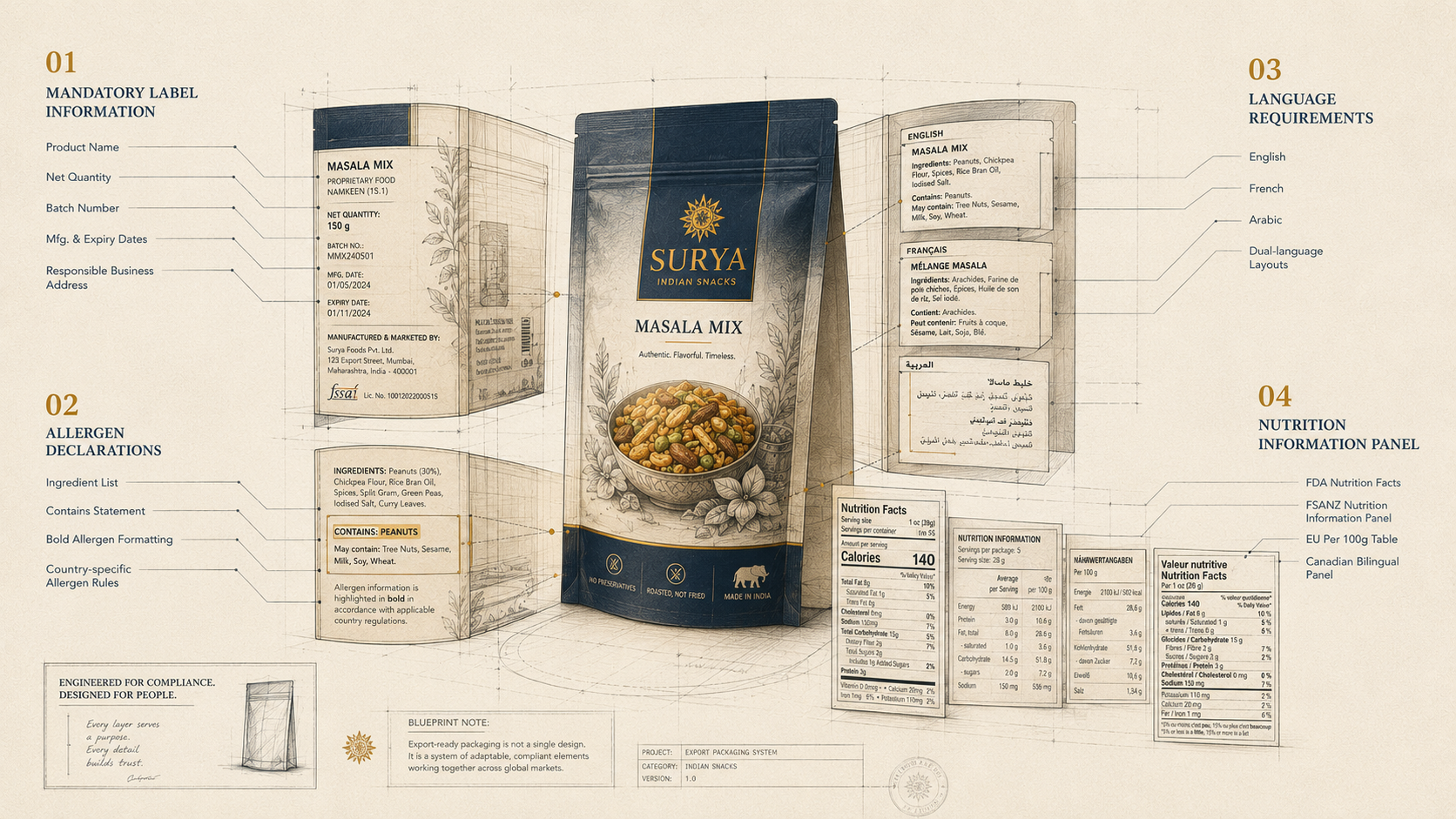
Figure 2.0: The Four Pillars of Packaging Compliance governing international food trade.
One Product, Five Countries: Managing Variances
Here is how the exact same snack product must adapt across five major export destinations.
Australia and New Zealand Main Focus:* Plain English Allergen Labelling (PEAL) and Country of Origin Labelling (CoOL). Specific Rule:* Allergens must be printed in bold in the ingredient list and repeated in a separate bold summary box starting with "Contains". Generic names are prohibited; wheat, rye, barley, and oats must be declared individually. CoOL regulations require a standardized kangaroo logo bar chart for products packaged in Australia, or clear foreign origin statements for imported goods.
United States Main Focus:* FDA Nutrition Facts panel formatting and FSVP importer details. Specific Rule:* The label must list the US Importer or Distributor name and physical address. The Nutrition Facts panel must include added sugars in grams and %DV. Sesame must be declared as a major allergen. Font sizes for net quantity statements must match package surface area formulas.
Canada Main Focus:* Total bilingual equality. Specific Rule:* Every mandatory detail, including product name, net weight, ingredient list, allergen warnings, and Nutrition Facts, must be presented in both English and French with identical font size and visual prominence.
European Union and United Kingdom Main Focus:* Allergen highlighting within ingredient lists and local FBO address mandates. Specific Rule:* Allergens must be emphasized in the ingredient list using bold or capital letters. A separate "Contains" box is discouraged under EU guidance to avoid consumer confusion. The label must list the name and address of an EU or UK based Food Business Operator.
United Arab Emirates and GCC Region Main Focus:* Arabic translation, shelf-life date formatting, and trans-fat restrictions. Specific Rule:* Mandatory Arabic labeling for product description, ingredients, and allergen warnings. Expiration dates must follow the DD/MM/YYYY format and be printed directly on primary wrappers. Partially hydrogenated oils (trans-fats) are strictly banned or severely restricted across GCC markets.
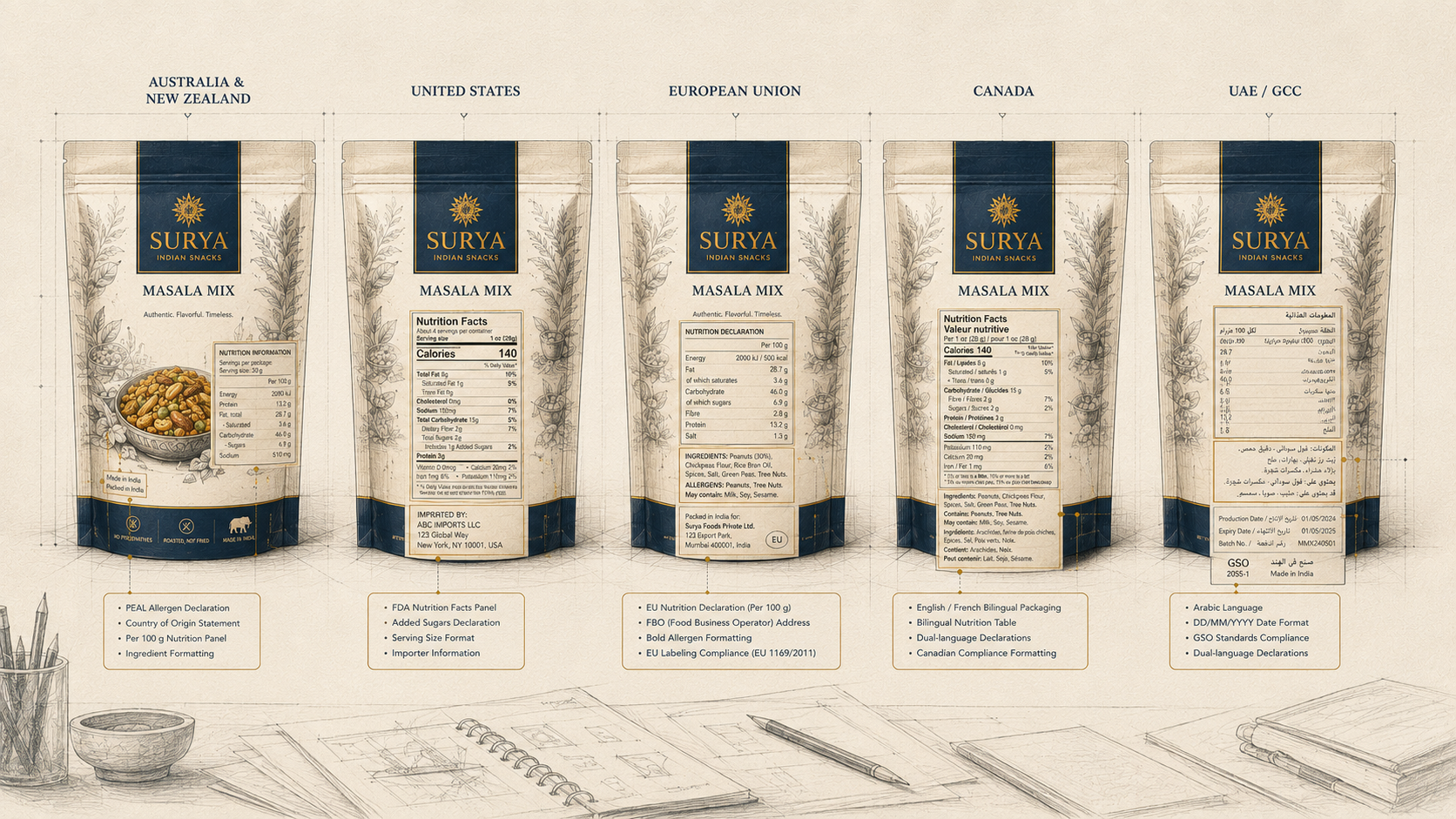
Figure 3.0: Mandatory packaging variances for a single SKU distributed across five distinct regions.
The Taraka Modular Packaging Framework
To avoid high printing costs and inventory confusion, Taraka International applies the Modular Packaging Framework. This approach divides packaging artwork into two separate layers.
Layer 1: The Universal Brand Core (70% of Wrapper Surface) Contains elements that stay identical across every global market: * Brand logo, typography, and visual graphics * Primary product name and brand storytelling copy * Main color scheme and design layout * Universal product barcode (EAN/UPC)
This layer is printed in large production runs, keeping unit costs low and maintaining brand identity.
Layer 2: The Regional Dynamic Overlay (30% of Wrapper Surface) Reserved for localized compliance elements: * Country-specific Nutritional Information Panel * Localized ingredient list and allergen declarations * Local importer or FBO contact details * Regional compliance logos, such as recycling symbols or organic marks
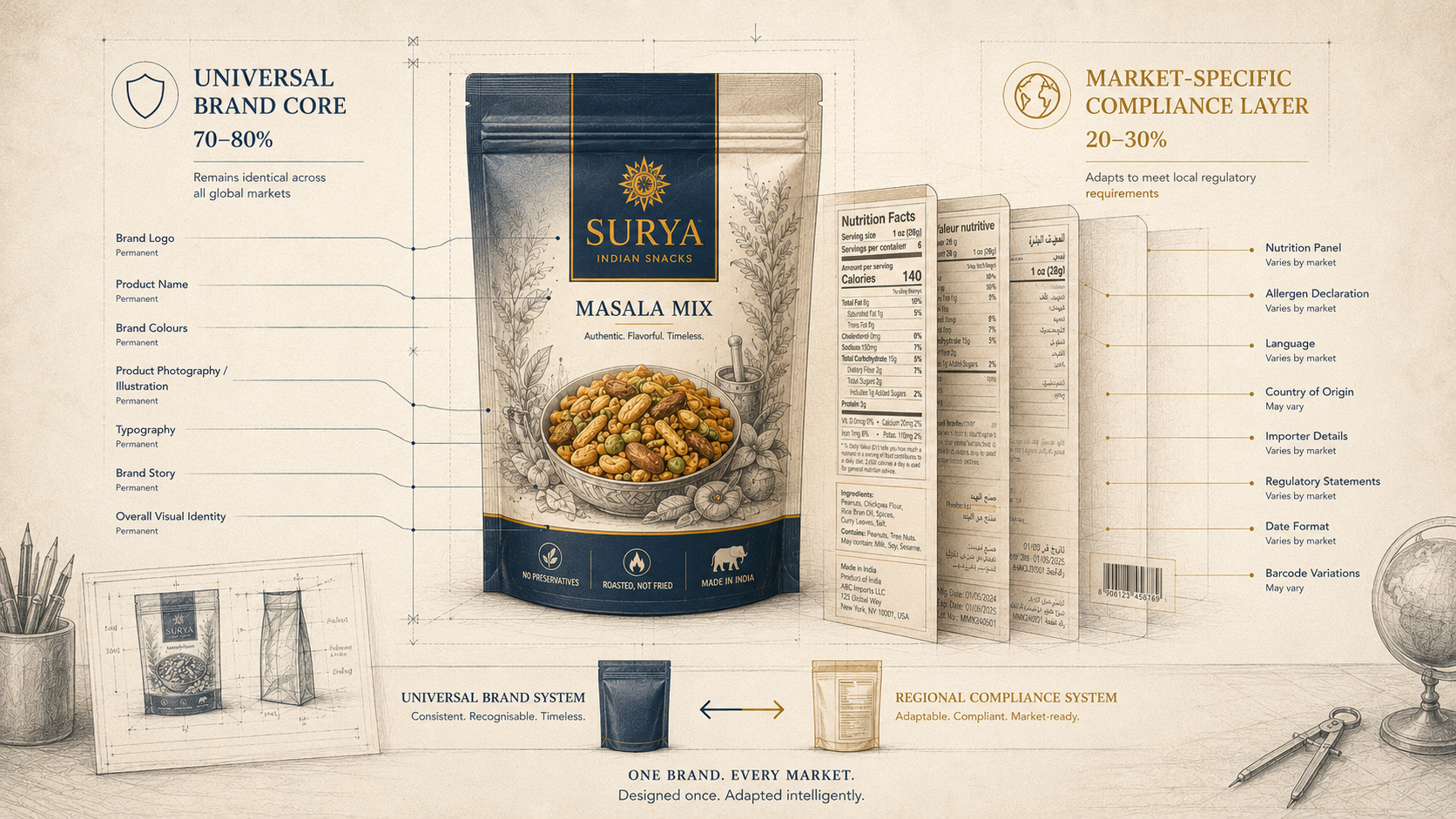
Figure 4.0: The Modular Packaging Framework segregating universal branding from localized compliance data.
Overstickering vs Pre-Printed Packaging Strategy
Companies execute the Regional Dynamic Overlay using two main methods depending on export order volume.
Over-Stickering (Localized Labeling) For new market entries, trial orders, or smaller order volumes, companies print a universal primary package and apply high-quality, localized pressure-sensitive stickers to the back panel. The sticker contains the destination country's nutrition table, translated ingredients, allergen statements, and importer details. Over-stickering keeps upfront costs low and allows test-marketing without committing to large packaging runs.
Pre-Printed Regional Film Once a target market achieves consistent high-volume orders, typically exceeding 50,000 units per run, companies transition from over-stickering to pre-printed regional film. The Regional Dynamic Overlay is integrated directly into the printing plates for that specific market, eliminating manual labeling labor while maintaining the core visual identity.
| Feature | Overstickering Strategy | Custom Pre-Printed Packaging |
|---|---|---|
| Cost Profile | Low setup cost, higher unit labor cost | Higher print plate setup cost, lowest unit cost |
| Speed to Market | Extremely fast for new export markets | Slower due to print plate manufacturing lead times |
| Compliance Risk | Acceptable if stickers are permanent and do not obscure data | Lowest risk, fully integrated into primary packaging film |
| Aesthetics | Moderate disruption to back-of-pack visual flow | Seamless visual integration matching brand identity |
| Ideal Volume | Test markets and initial launch phases (<50,000 units) | Established high-volume supply chains (>50,000 units) |
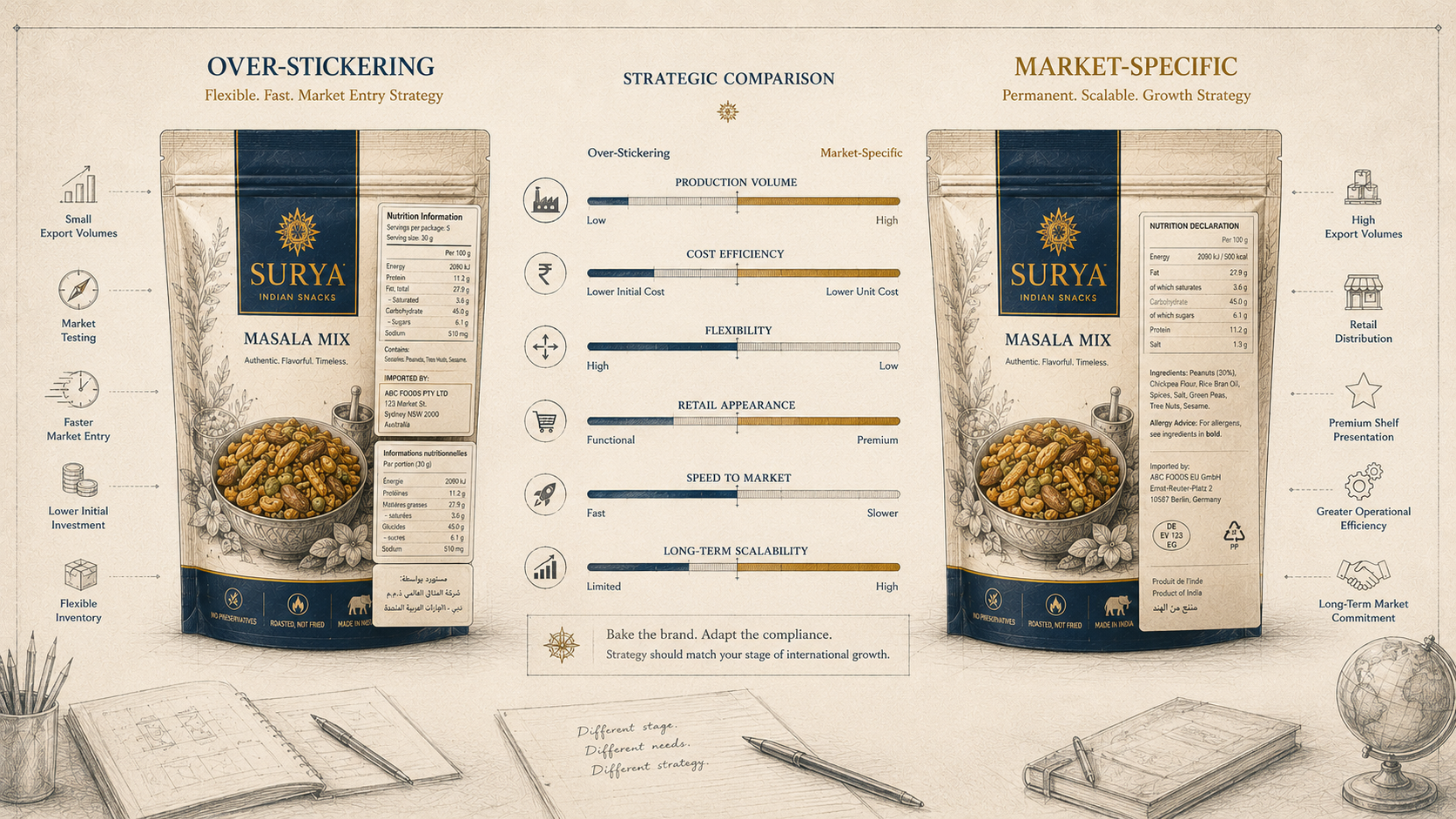
Figure 5.0: Comparing overstickering and custom pre-printed packaging execution strategies.
The Global Packaging Approval Journey & Decision Tree
Before approving final artwork for printing, export teams should complete a structured compliance workflow to prevent costly errors.
Step 1: Map destination markets to identify overlapping labeling laws. Step 2: Establish modular artwork layers, separating universal brand elements from regional compliance data. Step 3: Confirm the product description accurately reflects the food category per destination country laws. Step 4: Verify net weight formatting and metric units, adding US Customary units if selling in the United States. Step 5: Create compliant NIP layouts for target markets. Step 6: Audit allergen formatting against local rules. Step 7: Ensure mandatory bilingual or translated copy is accurate. Step 8: Add required local business contact details for the destination market. Step 9: Ensure primary packaging holds valid Food Contact Material safety test reports and displays correct regional recycling symbols. Step 10: Perform a final compliance audit of digital print proofs before issuing production approval.
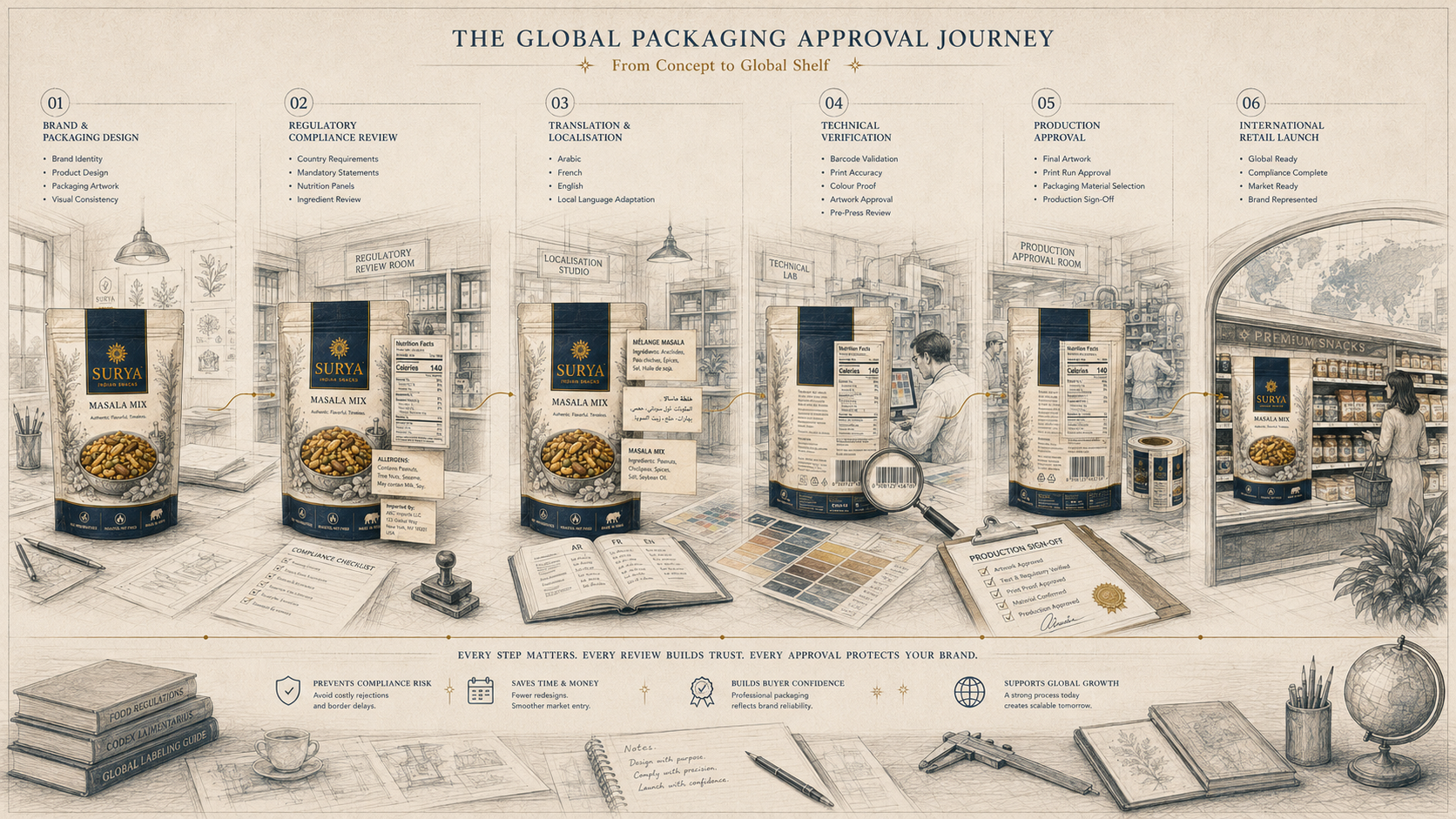
Figure 6.0: The Global Packaging Approval Journey from artwork design to production sign-off.
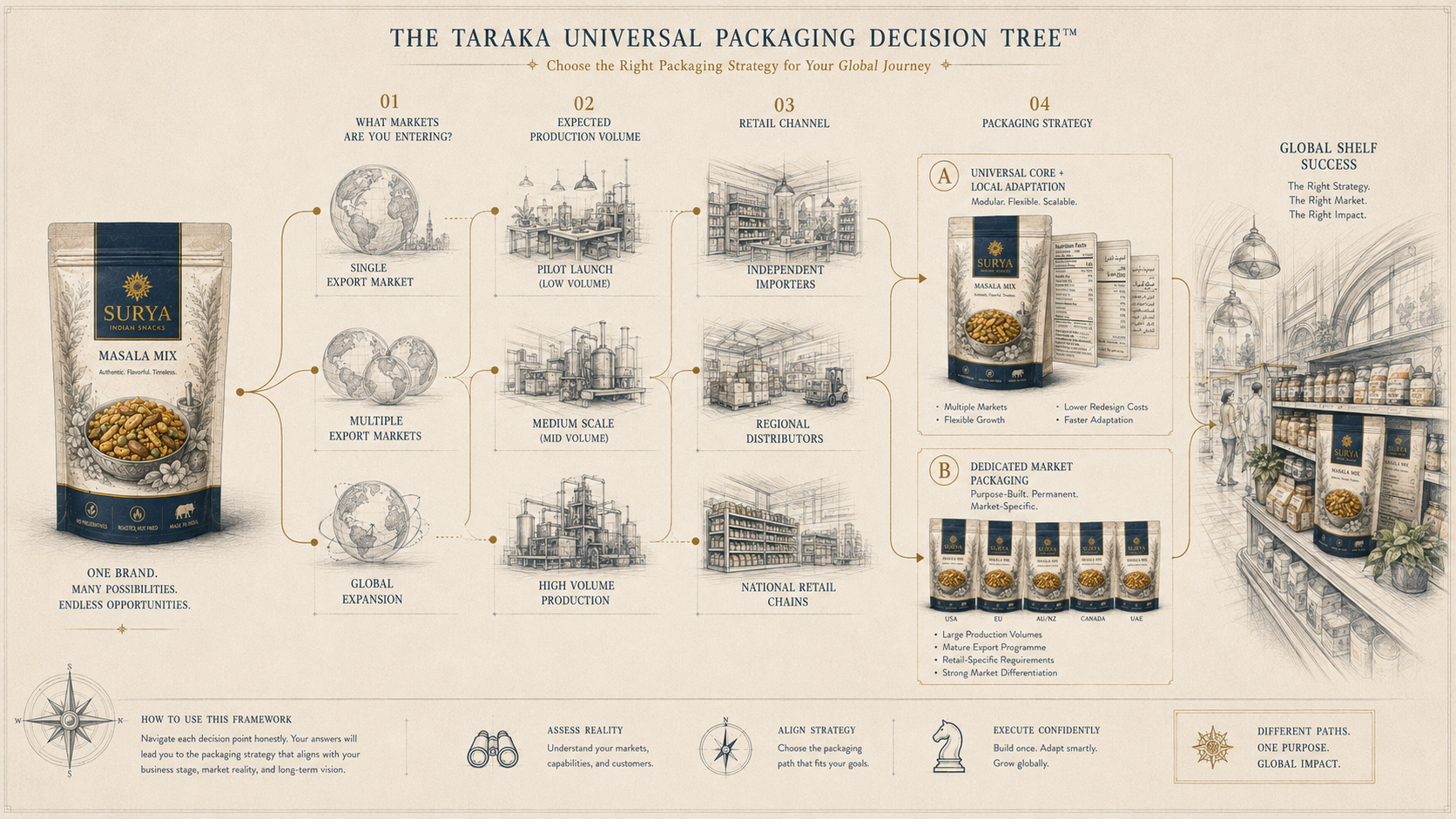
Figure 7.0: Decision tree for selecting universal packaging strategies based on export volumes and market complexity.